Author: instaquirk

  • RFID & Healthcare

    RFID & Healthcare

    Use of RFID in Healthcare

    One of the primary functions of the healthcare industry is to care for patients. As baby boomers age and health insurance becomes more accessible to all, demand for health care is growing. Hospitals and their suppliers have focused on their main function rather than adopting technology and technologies that could enhance their bottom line and boost safety.

    There are several ways in which healthcare companies and their suppliers can introduce RFID technology that will have a direct effect on their patient and personal safety.

    1. Tracking of Surgical Instruments and Supplies:

    To ensure that nothing was left inside the patient, all items used during surgery and present in the operating room must be counted. If all items are tagged with RFID, inventory becomes very simple and fast. This leaves more time for nurses to take care of patients and help physicians, which also improves the quality of care.

    This system can also be linked to the hospital’s inventory and asset management scheme. To ensure that they were correctly obtained and sterilized before use and returned for refill after use, surgical kits can be further monitored for processing.

    2. Access Control for Personnel and Patients:

    A comparable scheme to tracking patients can also be used for medical staff and visitors to allow access to multiple areas of the facility.
    For instance, only a certain individual would be permitted into an operating room, ICU, or supply closet.

    3. Tracking:

    It is essential to ensure that patients do not wander off purposefully or accidentally in mental health organizations, drug recovery centers or services for the elderly. In this case, an RFID tag placed on a patient in the form of a necklace, wristband, ankle strap attached to a shoe or sewn into clothing can help to authorize and open access to various parts of the building as well as deauthorize and close exits from the facility and provide alerts.

    4. Injection and Drug Dispensation Safety:

    By scanning an RFID tag integrated into the patient’s wristband and a drug bottle with a handheld reader, the system matches the drugs with the patient in the database and gives confirmation, or warn if there are mistakes in the wrong drugs or dosages. The system can also be linked to the inventory management system.

    5. Pharmacy and Laboratory Labeling:

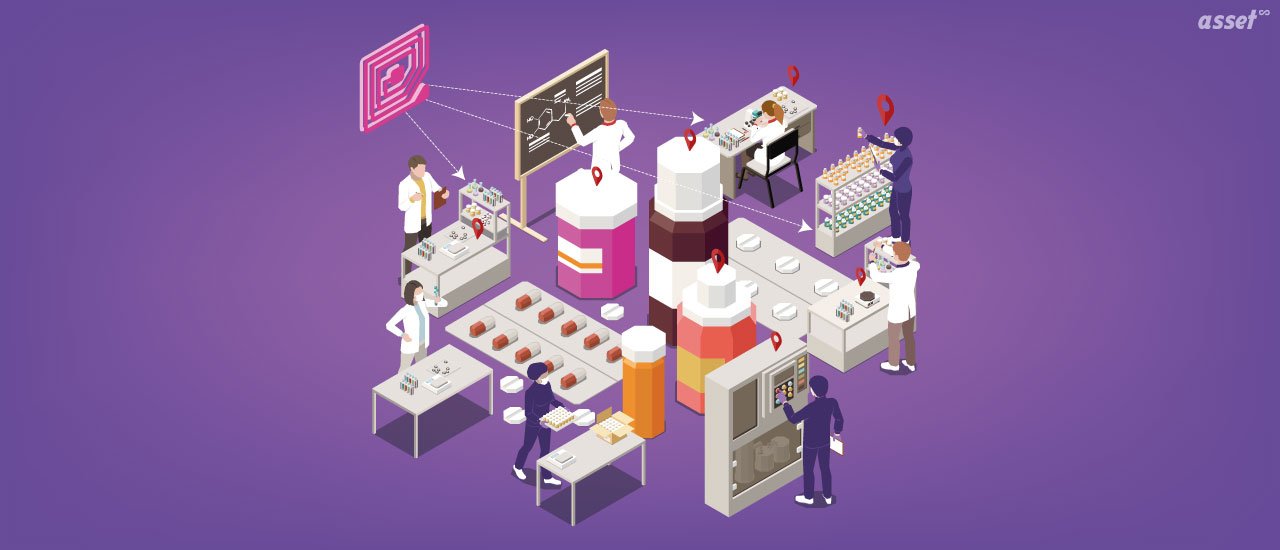
    Tracking test tubes, vials, blood bags and prescription medicines using RFID avoids misidentification of human samples and medicines and improves precision and safety.

    6. Temperature Tracking:

    Temperature monitoring for drugs, blood and tissue samples, vaccines and other delicate materials guarantees that the medical products have been handled properly and are secure to use. Using a temperature monitoring scheme improves quality control, reduces waste, lowers costs, and most of all improves patient safety. There are many other applications for RFID that could improve healthcare safety, including asset management systems to guarantee that lifesaving machines are situated rapidly and are correctly maintained and accessible.
  • RFID in Waste Management

    RFID in Waste Management

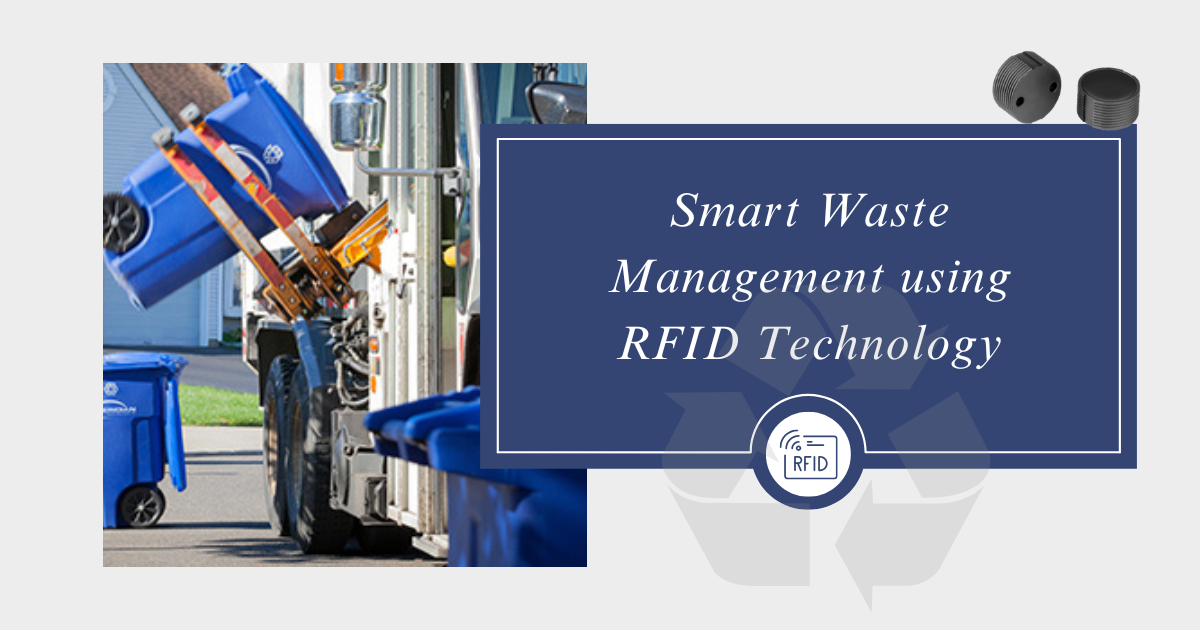
    Smart Waste Management using RFID Technology

    In recent years, waste management services have made a concerted effort to use information technology to reduce waste management costs and to identify missing/stolen bins. The application of these principles can be facilitated by the use of mobile technology such as Radio Frequency Identification (RFID).

    RFID is a modern and fast-growing technology that uniquely and accurately identifies an RFID tag (waste tag) attached to, or embedded in, a waste bin which helps in the identification and traceability of waste bins.

    By using RFID tags, waste can be identified and tracked through the entire waste chain. Many jurisdictions and private sector operations have attached RFID tags to waste containers and equipped their trucks with RFID readers thereby improving sortation, validating and verifying pickups, tracking the number of times a container is used for collection as well as tracking the weight of the container’s contents at each and every pickup. A waste management system using RFID simplifies billing for service.

    RFID is now being used by municipalities and private operators to monitor waste pickup. Waste disposal trucks equipped with RFID readers pick up bins that are equipped with RFID tags. The readers record the exact time and location every time a waste container is emptied. This introduces a new degree of monitoring and control of the waste disposal process. With an RFID based system operators have accurate and real-time data that can be used for customer billing as well as route and resource planning. The real-time aspect allows municipalities to monitor the performance of contractors.

    Waste containers come in many forms, materials, and sizes, but they are all subject to harsh environments and rough handling. Being outdoors, waste containers face all the elements: cold, wet and heat and being waste containers, endure both human and machine abuse. Only RFID tags can withstand these conditions and continue functioning throughout the life cycle of these containers.

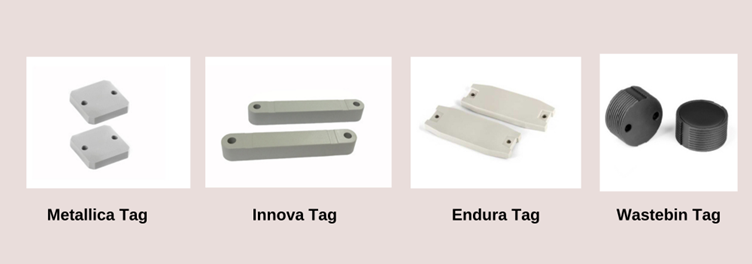
    Omnia Technologies produces Wastebin tags which are manufactured in such a manner that they can withstand any harsh conditions like extreme cold, heat, rains, etc. Also, these tags can be customized according to the requirement of the customer.

    Several pieces of plastic

AI-generated content may be incorrect.

    Benefits of using RFID in Waste Management:

    1. Easier recovery of lost or stolen carts.

    2. Easy accounting of travel routes of garbage trucks and automatic recording for each individual cart pickup with no required driver interaction on the pick-up route.

    3. Cheaper, faster, more accurate data reporting. No manual data entry is required.

    4. Easier waste sorting at the household level.

    5. An unprecedented degree of control and traceability in disposing of hazardous or otherwise sensitive waste material.

    6. Fewer collection points and containers required for recycling.

    7. Less cleaning and maintenance work on recycling

  • RFID & Inventory Management

    RFID & Inventory Management

    Why does every business need to track their inventory?

    Small business owners of today have considerable advantages over those of only a few decades ago. Technological advances make many business aspects more efficient and offer a number of effective tools.

    From basic information technology to logistics, marketing, and human resources, there are affordable and efficient ways of performing manual functions and tasks that were previously tedious, including ways of Inventory tracking.

    Inventory tasks include:

    1. Planning for seasonal activities for companies shipping large quantities of products.

    2. Anticipating shortages.

    3. Anticipating growth in demand from promotions and added marketing success.

    4. Providing the necessary financial reporting information.

    An effective inventory approach will:

    1. Achieve maximum discounts on the purchase level.

    2. Improve negotiating a position with vendors and shipping sources.

    3. Help meet overall customer expectations and needs.

    4. Control Working capital investment.

    5. Minimize the cost of ordering too often and the need for rush delivery.

    6. Minimize shortage and out-of-stock costs.

    7. Lower capital costs for excess inventory.

    8. Reduce losses due to outdated inventories.

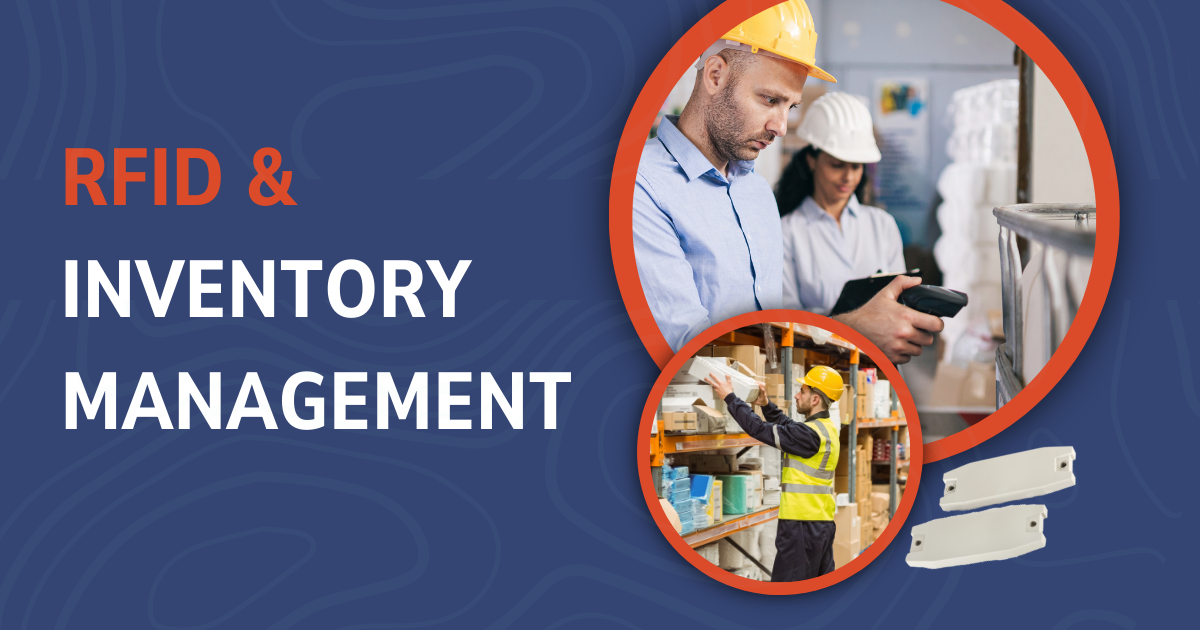
    Omnia produces RFID tags which are small microchips plus a small aerial that may contain a range of digital information about a specific item.

    RFID Tags are embedded in plastic, paper or similar material and attached to a product or packaging, a pallet or container, or even a van or truck.  An RFID reader interviews the tag, transmitting and receiving radio signals from and to the tag. Using special computer software the information the reader collects is collected and processed. Readers can be placed in a factory or warehouse at different positions to show when goods are being moved.

    RFID technology helps to identify and record individual products and components and track them from production to point-of-sale throughout the verticals. This process does not require direct line-of-sight and creates inventory visibility in hand, thus helping to make proper use of it. With the help of this technology, each inventory/stock movement can be automatically stored on the system.

    The use of RFID tagging for stock control offers several advantages over other methods such as barcodes:

    1.Tags can be read remotely, often at a distance of several meters.

    2. Several tags can be read at once, enabling an entire pallet-load of products to be checked simultaneously.

    3. Tags can be given unique identification codes so that individual products can be tracked.

    4. RFID tags can be overwritten, enabling information about items to be updated, eg when they are moved from one part of a factory to another.

    Over the past few years, the costs associated with RFID tagging have fallen and continue to fall. The benefits of more efficient stock control and enhanced security make it particularly attractive to retailers, wholesalers or distributors stocking a wide range of items, and to manufacturers producing volume runs of products for various customers.

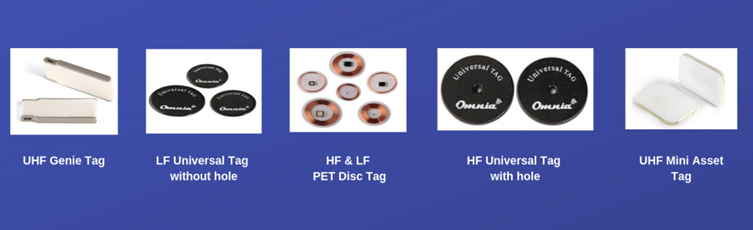
    Suitable Omnia RFID Tags:

    A close-up of several disc discs

AI-generated content may be incorrect.
  • RFID in the Railway Industry

    RFID in the Railway Industry

    RFID & Railway Industry

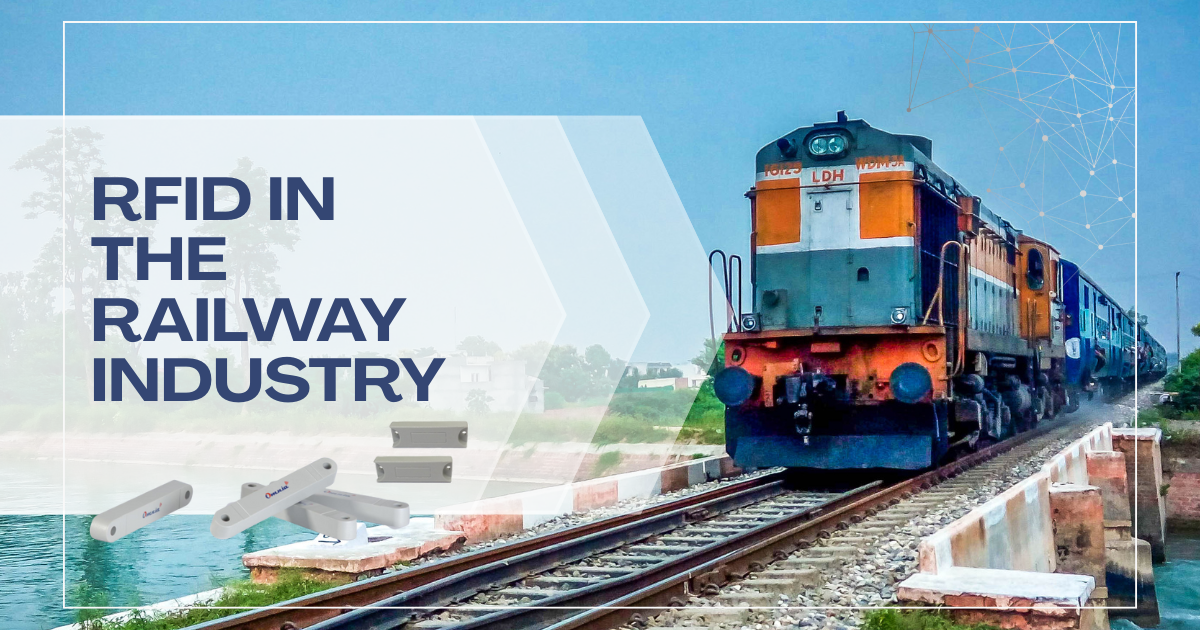
    From one of the first deployments of RFID on rail cars in the mid-1980s to the inception of railroad standards for RFID in the 1990s, the widespread use of RFID on railways has grown rapidly in multiple applications.

    Across countries such as South Africa, Finland, Germany, Sweden, the United States, and India, railways are becoming increasingly automate and smarter with the use of auto-ID. Benefits do not stop at companies owning railways or railcars, but apply to people and companies dependent on railways for their own and/or their goods to travel safely and efficiently.

    Benefits from using RFID on railways:

    1. Decreased Human Error

    2. Decreased Logistical Delays

    3. Decreased Quantity of Lost/Stolen Items

    4. Decreased Fraud

    5. Decreased Operating Costs

    6. Increased Visibility

    7. Increased Customer Satisfaction

    8. Increased Customer Service

    Railway Management Systems

    Goods which travel by rail can be costly to manage. The cargo ranges from car parts, construction materials, and energy resources such as gasoline, coal, and compressed natural gas, to raw materials such as iron ore and grains. The cost of the items destroyed, damaged or stolen is hundreds of millions of dollars per year.

    The freight is not only costly, but there are many moving parts involved, such as train schedules, track management, availability of rail cars, rail car and rail track repairs, ticketing, and cargo schedules. RFID was implemented as a way to identify railway cars in a unique way but has slowly spread to additional uses, establishing itself as an important railway management solution.

    1. Rail Car Tracking

    Tagging rail cars with RFID tags can serve a few different purposes – either to uniquely identify rail cars for rail car visibility, preventative maintenance, or any combination of the above.

    Tagging each rail car is critical to the logistics of the cargo. Each shipping container or crate could be going to different states or countries so having that information associated with each rail car is essential to delivering cargo. Today, it is reported that over 95% of North American railcars are tagged with RFID technology for identification purposes.

    One of the most common uses for RFID on railways is tracking the individual rail cars or wagons in order to give enhanced visibility into where the trains are on the railway at all times. By tagging rail cars and having read stations along the track at certain intervals – it takes the guesswork out of arrival and departure times for both freight and passenger trains. Readers can be set up at intervals so that they can correctly provide directionality and speed, allowing for the calculation of remaining time.

    Vehicle service records are important to maintaining due to the major concerns associated with damaged or faulty rail cars. By tagging rail cars with RFID tags, rail operators can keep track of service records in order to schedule and perform maintenance before any issues occur. Each tag can be read at reading stations, and mileage can be recorded to a database that also keeps that car’s service records. 

    2. Ticketing

    Rail tickets are typically checked using a visual scan or a barcode, but, due to an uptick in fraud, RFID has been deployed as a way to counteract counterfeit tickets.

    In 2006, China was one of the first countries to implement single-use, paper tickets with embedded HF RFID tags. Barcodes are very easily duplicated, and, when the country was seeing about 3 billion passengers per year, railways could have been losing hundreds of thousands of dollars from counterfeit ticketing each year.

    Sweden is one of the countries that are at the forefront of the RFID technology wave. A Swedish rail company, SJ, isn’t just using RFID for Oyster cards and ticketing, but they are going the extra mile by offering to store passengers’ annual train card information on their implanted RFID tag. Only available to passengers that have a pre-existing RFID implant, now ticketing can be done with a scan of someone’s hand using HF, specifically, NFC RFID technology.

    3. Asset Management

    Many businesses using the railways for high-value resource transport choose to tag their freight or goods with RFID. For example, by putting RFID tags on every cargo container, suitcase, or barrel of oil, it minimizes the risk of errors and reduces the amount of labor time involved in identifying and distributing the cargo.

    Independently tagging and tracking cargo is typically carried out by the shipping or receiving company of the items, but can also be used by the railway company as a temporary safety measure if the cargo has to change trains, or if there are more than one company’s goods on a railcar.

    Conclusion

    By adding visibility, operational efficiencies, and extreme accuracy – RFID lowers labor costs and enhances customer and employee satisfaction. All these additions lower the cost and diminish the risk of transportation via railways. 

    The cost to tag each wagon or rail car is tag dependent on several factors, but generally is low, and, even with the one-time hardware infrastructure cost of reading stations throughout the track, the cost to implement an RFID solution is commonly less than the value of assets on one rail car.

  • All about FASTag

    All about FASTag

    A FASTag is a rechargeable tag that is used to automatically deduct toll charges that allow a vehicle to pass through a toll gate without stopping for payment. It uses radio frequency identification (RFID) technology to make payments without cash through a prepaid account connected to it.

    FASTags are fixed to the windscreen of a vehicle and an RFID antenna in the canopy of the toll gate scans the QR code and the tag identification number, following which the boom barrier lifts to allow a vehicle to pass through. The FASTag comes in seven different colors — violet, orange, yellow, pink, blue, green, and black. Each category of vehicle is assigned with a particular color.

    Benefits of FASTag

    For Vehicle Owners:

    • Hassle-free toll payments at FASTag toll plazas
    • No long queues
    • Non-stop movement of vehicles can lead to lower fuel costs
    • Various payment options like credit/debit cards, NEFT, etc. can be used for online FASTag recharge
    • Up to 0.5%* cashback
    • FASTags can be linked to insurance policies helping customers to do away with the urgency of carrying the policy documents

    For Government:

    • Better highway management
    • Brings on transparency in toll transactions
    • Reduction in revenue leakages
    • Greater project accountability

    For Toll Operators:

    • Cashless payments without the involvement of change
    • Reduced time is taken to process tolls
    • No customer aggression due to long queues and change
    • Reduced operational costs
    • Better audit control through centralised user accounts

    FASTags colours and Vehicles

    A close-up of a card

AI-generated content may be incorrect.

    a) Class 4 vehicle (Car , Jeep , Van) – VIOLET

    b) Class 5 vehicle (Light commercial vehicle, Minibus)- ORANGE


    c) Class 6 vehicle (Bus and Truck 3 axle)- YELLOW


    d) Class 7 vehicle (Bus and Truck 2 axle)- GREEN


    e) Class 12 vehicle (Bus and Truck 4/5/6 axle)- PINK


    f) Class 15 vehicle (Truck 7 or more axle)- BLUE


    g) Class 16 vehicle (Heavy construction machinery and earth moving equipment)- BLACK

    Conclusion

    Getting stuck in long queues while crossing NHAI tolls is perhaps something we have all experienced at some point. National Highways Authority of India or NHAI plans to make this a thing of the past by launching NHAI FASTag program. This implementation by the Indian government has been applauded by all, which is evident from the fact that automatic collections at toll plazas along national highways, in conjunction with toll plaza free passes, has led to 24% increase in electronic toll revenue. Indian transportation as we know is the backbone of Indian economy, and with this move, this backbone will only strengthen.

    Get in Touch

    For any questions regarding FASTag, reach us at sales@omniatags.com

  • RFID for Animal Tracking and Identification

    RFID for Animal Tracking and Identification

    Ranchers, farmers, and other livestock professionals use RFID technology to track and record a variety of everyday data, such as how much a cow is being fed each day and how many male and female animals are on a ranch at a given time.

    In addition to monitoring general animal locations, RFID tags can gather other valuable data to evaluate long-term patterns, such as genetic disorders, health problems, and even possible social threats in a given herd or flock. RFID tags attached to an individual animal can hold basic data, like its birth date, breeding details, and what inoculations it has received. Since tags can detect if an animal is unwell, livestock owners can address any health problems before they get out of control. Sensors can also relay valuable data about the animal’s eating habits and weight. When comparing the collected data of a group of cows, you can determine which animal in the group eats first and which cows prefer to eat with other cows. Details about the social habits of cows can also be captured thanks to RFID tags.

    Our Products

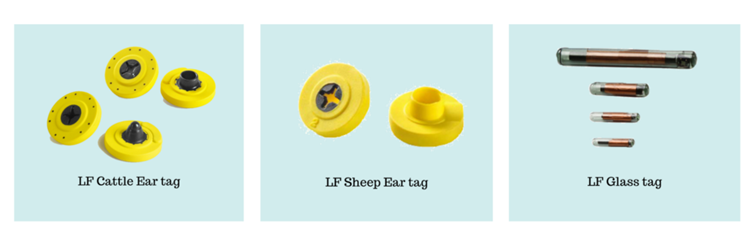
    Cattle and Sheep Ear Tags :

    These tags are ideal for the identification, tracking, and health, history & nutrition management of cattle and sheep respectively. They are made with special TPU material and are over-molded making them more robust and durable in the outdoor environment.

    They can be reusable or tamper-proof depending on the application. They are available with different chips and memory sizes including FDX and HDX animal modes and can be made in custom colors.

    Glass Tag :

    RFID Glass Tags are ideal for animal Identification as well as medical testing applications. They are also suitable for automotive applications such as immobilizer. These tags are available in various sizes with different chips & memory sizes. All glass tags undergo a 100% test regarding optical, mechanical, and electrical parameters prior to delivery thus guaranteeing the highest quality standards.

    Watch the video to know more about these tags and their benefits.

    Get in touch with us:

    sales@omniatags.com

  • Redefining your Laundry Management using RFID

    Redefining your Laundry Management using RFID

    It is getting popular to apply RFID Technology in the laundry process for automated garment identification and sorting. Healthcare organizations are tagging linens and gowns to monitor usage and inventories and automate distribution. RFID reduces shrinkage and the need for staff. Industrial laundries and commercial cleaners are also using RFID technology to improve inventory control, reduce labor cost and optimize the life-cycle management of individual textiles and garments. Real-time traceability delivers more accurate and timely billing and enhances customer satisfaction. 

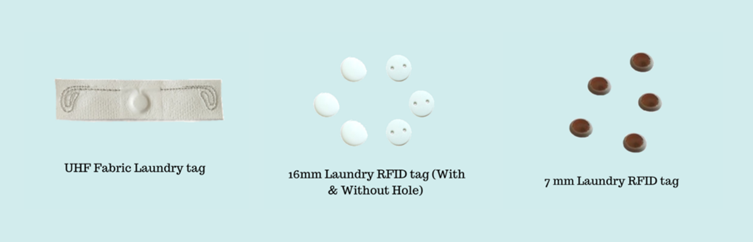
    Omnia Technologies is specialized in the RFID technology development. With the know-how in laundry business process, Omnia provides superior RFID Laundry Tags. The laundry management system automatically tracks and manages laundry activity for customer-owned and rental uniforms and linens. The RFID technology works by electronically reading RFID tags attached to the uniforms and linens, allowing them to be automatically identified, counted and tracked. The system also facilitates sorting and validates pick-ups and deliveries at customer locations.

    A diagram of a laundry washing process

AI-generated content may be incorrect.

    Benefits of using RFID in Laundry Management

    This simple and transparent RFID based process, allows customers to be in complete control of their linen stock and can even inform the laundry when a new delivery is required. This can be done by simply scanning clean stock stored in linen rooms by their own staff to create an inventory that is uploaded to the cloud One of the main advantages for the customer is that they don’t have to manually count and sort the laundry which significantly reduces labour costs and increases accuracy.

    • Real-time tracking of the laundry items from point of pick-up, through sorting, washing or dry-cleaning, packaging, and distribution.
    • Reduced handling time at check in and check out on site and off site.
    • Automatic identification of misplaced and stolen items.
    • Accurate data capture regarding item life-cycle, inventory control, reusable asset sterilization control as well as automatic billing to end users.

    Quality control can also reach higher levels of accuracy because the laundry is able to analyse and monitor the journey of individual items. This means it can identify when an item is reaching the end of its lifespan, so it can be replaced immediately. This results in fewer items being rejected manually during the laundry process and provides hotels with a further increased level of service efficiency.

    Our Laundry Tags

    A circular white object with black text

AI-generated content may be incorrect.
  • RFID and its applications in the Healthcare Industry

    RFID and its applications in the Healthcare Industry

    RFID adoption is on the rise these days. It has been successful in a variety of industries, including retail, manufacturing, and logistics. Though it is not a new technology, it has evolved significantly. RFID is now a powerful business technology for data collection, asset tracking, and asset and equipment movement. Numerous benefits exist in the use of Radio Frequency Identification (RFID) technology in the hospital. These include the ability to provide real-time traceability of medical equipment, the location of your staff and even your patients.

    It’s also used in supply chain management, inventory control, and waste management. Furthermore, it is used by the authorities to track prisoners and by farmers to track animals.

    How can RFID Technology be used in the Healthcare Industry?

    a)   Patient Tracking and History Records

    A patient’s wrist is girded with an RFID band. The hospital keeps track of the patient using RFID. The wristband stores all relevant information such as name, medical history, allergies, and so on. When a patient has been admitted for an extended period of time, RFID can assist the doctor in determining whether the patient is allergic to any medications. The patient’s historical record also aids in surgery by providing crucial information.

    The RFID tag can be really handy, e.g. if a patient has memory problems, they may stray or get lost in a hospital. Through RFID wristbands, the hospital can know the exact whereabouts of the patient.

    b) Equipment Tracking

    Tracking machines, equipment, and vehicles is critical for hospitals. It not only informs them of the location of their vehicles, equipment, and so on, but it also aids in asset maintenance.

    Hospital assets are critical and must always be ready for use. RFID tags are used to track assets as they move within and outside of the hospital. When it comes to the Operation Theatres, it is mandatory that assets be inspected on a regular basis to avoid unplanned breakdowns. The Asset Maintenance Management software comes in handy when dealing with such mission-critical assets.

    c) Medicine and Pharmaceutical Tracking

    Pharmaceuticals can be tracked and managed using RFID technology in hospitals. The system notifies users of the expiration dates and stock levels of medications. Because pharmaceuticals and medicines are the most frequently used and critical items in a hospital, each facility must maintain a consistent stock of essential medicines.

    Medicines and surgical equipment are high-priced items. As a result, it is critical for healthcare facilities to keep stock and track of these items.

    Benefits of using RFID in healthcare

    a) RFID technology in hospitals, labs and entire supply chains offer real-time traceability of every blood sample or pallet of medication as well as real-time visibility into your inventory.

    b) RFID enables your hospital to monitor the temperature of heat-sensitive drugs throughout the supply chain and take the necessary measures to maintain standards and compliance.

    c) RFID in your healthcare organization provides immediate or real-time tracking and management of your staff across all types of patient care environments. This provides useful information when tracking productivity in a busy hospital.

    d) Proximity cards offer a seamless and secure way of accessing specific areas within the facility instead of memorizing and entering PIN codes every time.

    e) Passive RFID tags are low-cost and small and are easily attached to small devices. Passive tags are also able to tag many items at once. The tag can track assets and other items in areas where WiFi is not available.

    Follow the link to know more about our RFID Tags – https://www.omniatags.com/application-details/pharma-healthcare

    Conclusion

    RFID innovation has a lot of potentials to assist in the medical services of hospitals. Moreover, the system opens up new doors for enhanced security, operational effectiveness, and cost savings by tagging stocks, assets, patient data, and personnel records. RFID systems are mostly utilized in countries like the USA, France, Japan, Germany, UK, Italy, Spain, etc.

    RFID technology in the healthcare industry must be implemented in order to improve the level of patient care. Furthermore, it helps hospitals in the better management of their assets and equipment.

  • RFID: Automated Tire Identification

    RFID: Automated Tire Identification

    As the tire industry continues to move towards full automation and Industry 4.0, the conversations surrounding RFID become more and more relevant. From easier tracking through manufacturing to waste reduction efforts, to improved automotive safety and visibility of lifetime performance, the benefits realized from RFID are virtually endless.

     RFID consists of a tiny radio transmitter (high technology transponder) and the chip that is placed inside a tire or on the outside sidewall. This transponder/chip assembly can be interrogated by a scanner that contacts it using the correct frequency and protocol. But RFID is much, much more. There are so many applications for this technology that it is staggering.

    Tracking is the key

    RFIDs offer an exclusive number that recognizes the tire as well as allows the tire manufacturers to track that using the manufacturing procedure, inventories, and shipping to the end-user and final point-of-sale. RFIDs can be used for tracking every tire’s history and the data can be saved in the tire manufacturer’s hosted Cloud in the maintenance management program.

    RFIDs can be used for tracking the tires from picking up at the location using the retread procedure and delivery back towards the fleet. The manufacturer’s software contains data about the number of times a tire got retreaded, repairing it has got, its temperature and pressure history, tread depths, mileage, and the sources of failure in order that fleets can determine when the tire’s lifespan will end and when it should get replaced.

    On the macro level, the data can be analyzed in a database for determining the finest tires as well as retreads for running in the operations and also take other well-versed decisions about age limits, retreading the number of times, and detecting problems with any particular tire and see if any improvements are required in the tire maintenance.

    Our Tire Tags

    • A truck with a remote control

AI-generated content may be incorrect.

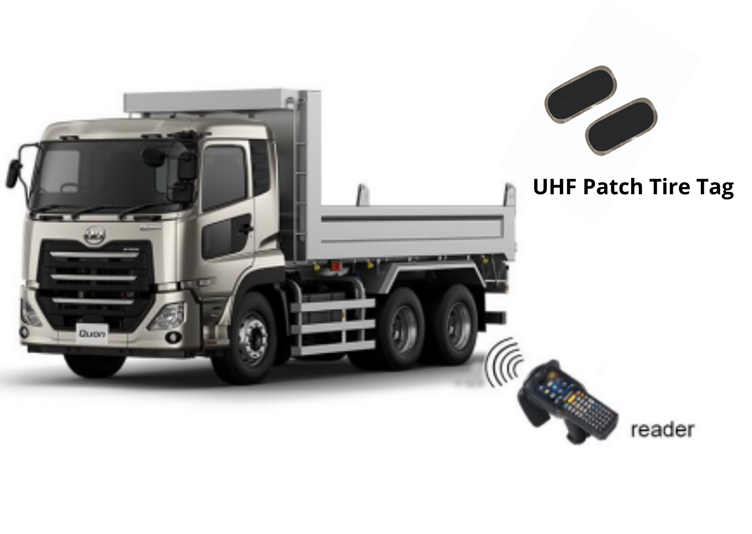
    UHF Spring Tire Tag has very high performance. It is embedded into the tire so that we can track the tire electronically. Widely used in the tire factory, such as tires storing, servicing, anti-stealing, and recollecting, for inventory management. They are easy to install. It survives the high temperatures encountered in the tire curing process and is robust enough to remain operational throughout the operating life of the tire. The microchip stores the tire’s unique ID, which can be associated with the vehicle identification number. The chip can also store information about when and where the tire was made, its maximum inflation pressure, size, and so on. Information can be updated with a handheld reader.

    UHF Tire Patch tag is specially designed for tire tracking and management application after the tires are manufactured. These tags are designed to meet all requirements in terms of pressure, heat, and chemical resistance in the application of contactless tracking of the tire. This tag developed to track finished tires, with a unique identification number to prevent tire theft and cloning, It will last the lifetime of the tire. It should be attached inside the sidewall of the tire with a vulcanizing agent, mainly used for bus tires, truck tires, trailer tires, etc.

    Benefits

    # Track and log vehicle entry/exit.

    # Track vehicle movement across locations.

    # Locate vehicle current location

    # Optimize vehicle usage

    # Can be integrated with access control barriers (Vehicles can be checked out automatically, along with an identified load. They can be checked back in again just as easily.)

    # Identify a vehicle and access information about it by reading its RFID tag is a benefit for companies like car rental agencies, car dealerships, and car wash facilities. With the addition of software, these companies can pull up car records or purchases by just reading the car’s unique RFID tag.

    # Controlled Costs: as warehouses can be easily tracked with minimal labor or resources

    # Improved Inventory Tracking: as entire pallets can be easily scanned and accounted for without direct line of sight.

  • Enhancing Supply Chain Management using RFID

    Enhancing Supply Chain Management using RFID

    RFID technology has the potential to improve speed and efficiency across the entire supply chain. One of the technologies that have really started to significantly impact the supply chain is RFID (Radio Frequency Identification).

    RFID, for those of you who are unfamiliar, is a technology that uses radio waves to automatically identify people or objects. Data is stored on a microchip that is connected to an antenna (the chip and the antenna together are called an RFID transponder or an RFID tag). The antenna allows the chip to send identification information to a reader, which converts radio waves from RFID tag into digital information that can then be passed on to computers.

    RFID is not just a replacement for barcodes. RFID ensures that the right goods are available in the right place with no discrepancies and zero errors. It makes the supply chain considerably more precise and improves the efficiency and reliability of the entire chain. As real-time information is made available also administration and planning processes can be significantly improved.

    A group of metal objects

AI-generated content may be incorrect.

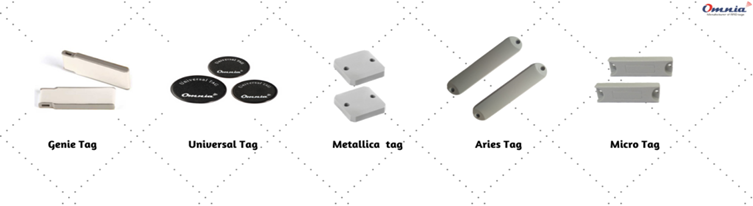
    Some of our RFID tags for Supply Chain Management

    Almost all businesses operate global supply chains — sourcing raw material and components from the most cost-effective locations, adding value and assembling them in the most cost-effective locations, and finally selling them in markets that have maximum sustained demand and profitability. Scalability has also led to increased efficiencies in supply chain processes, such as identification, storage, inventory control, transportation, distribution, and accounting.

    RFID is useful not only in manufacturing but also in the distribution of finished goods. It has the potential to increase the speed of delivery management, improve efficiency, visibility, and accuracy in selection and distribution processes, as well as lower distribution costs.

    If you’re one of these individuals still on the fence about RFID, below are five benefits that result from using this technology.

    a) Improve the quality and transparency of data across the supply chain – When data is read from a tag, answers are provided to the questions: What? Why? Where? and When? This is the very essence of RFID applications in the industry.

    b) Makes it easier to implement flexible manufacturing processes – RFID is used to reliably read and write data directly to a tag on an object in real-time. This capability can be leveraged to make flexible manufacturing a reality.

    c) Increase the accuracy and reduce the time spent taking inventories – RFID can be used to reduce or eliminate the need for “hand-scanning,” resulting in immediate and significant improvements in inventory tracking.

    d) Increase efficiency and cut down on rework – RFID can be particularly advantageous in closed-loop systems where reusable transport mechanisms are used. Real-time visibility allows the observation and close monitoring of products and processes so that quick action can be taken and process improvements

    e) Reliable track and trace in challenging physical environments – Specially encapsulated RFID tags are designed to survive and perform reliably in even the most challenging of environments

    RFID appears to have limitless potential for increasing speed and efficiency throughout the extended supply chain.