Small business owners of today have considerable advantages over those of only a few decades ago. Technological advances make many business aspects more efficient and offer a number of effective tools. From basic information technology to logistics, marketing, and human resources, there are affordable and efficient ways of performing manual functions and tasks that were previously tedious, including ways of Inventory tracking.
Inventory tasks include:
Planning for seasonal activities for companies shipping large quantities of products
Anticipating shortages
Anticipating growth in demand from promotions and added marketing success
Providing the necessary financial reporting information
An effective inventory approach will:
Achieve maximum discounts on the purchase level
Improve negotiating a position with vendors and shipping sources
Help meet overall customer expectations and needs
Control Working capital investment
Minimize the cost of ordering too often and the need for rush delivery
Minimize shortage and out-of-stock costs
Lower capital costs for excess inventory
Reduce losses due to outdated inventories
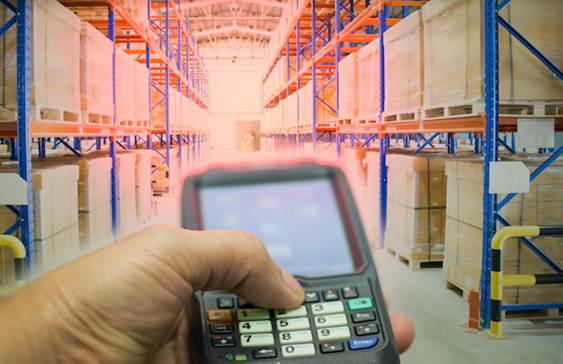
Radio frequency identification (RFID) is a technology that creates visibility and helps to control the warehouse inventory.
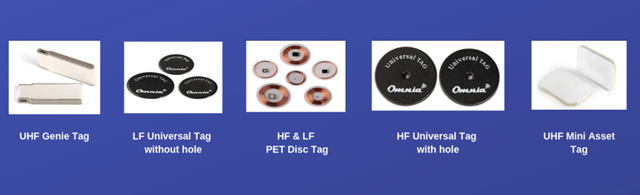
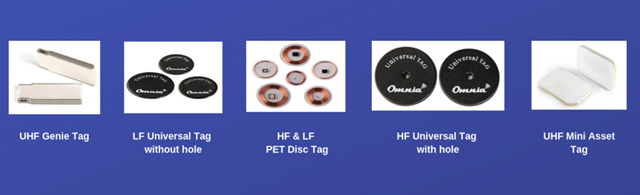
Omnia produces RFID tags which are small microchips plus a small aerial that may contain a range of digital information about a specific item. RFID Tags are embedded in plastic, paper or similar material and attached to a product or packaging, a pallet or container, or even a van or truck. An RFID reader interviews the tag, transmitting and receiving radio signals from and to the tag. Using special computer software the information the reader collects is collected and processed. Readers can be placed in a factory or warehouse at different positions to show when goods are being moved.
RFID technology helps to identify and record individual products and components and track them from production to point-of-sale throughout the verticals. This process does not require direct line-of-sight and creates inventory visibility in hand, thus helping to make proper use of it. With the help of this technology, each inventory/stock movement can be automatically stored on the system.
The use of RFID tagging for stock control offers several advantages over other methods such as barcodes:
tags can be read remotely, often at a distance of several meters
several tags can be read at once, enabling an entire pallet-load of products to be checked simultaneously
tags can be given unique identification codes so that individual products can be tracked
RFID tags can be overwritten, enabling information about items to be updated, eg when they are moved from one part of a factory to another.
Over the past few years, the costs associated with RFID tagging have fallen and continue to fall. The benefits of more efficient stock control and enhanced security make it particularly attractive to retailers, wholesalers or distributors stocking a wide range of items, and to manufacturers producing volume runs of products for various customers.
RFID stands for Radio frequency identification technology. RFID enables wireless data collection by readers from electronic tags attached to or embedded in objects, for any RFID application. RFID systems involve software, network and hardware components that enable information to flow from tags to the organisation’s information infrastructure where it is processed and stored.
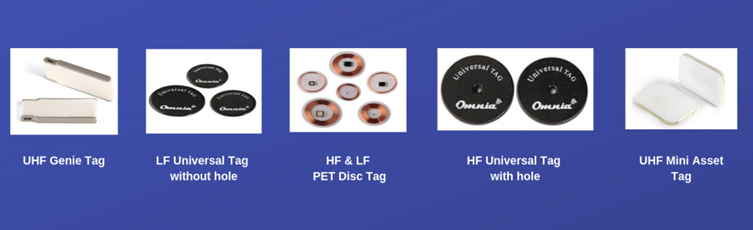
RFID applications focus on tracking and identification of any object or material. Omnia Tags manufacture various type of tag based on RFID application in different frequency ranges- Low Frequency, High Frequency and Ultra High Frequency. RFID applications have been in use for many years in transport, access control, event ticketing and management, and, more recently, in government identity cards and passports, and extensively in manufacturing supply chains and in logistics for goods distribution.
RFID applications vary from one industry to another industry. One application could require a tag in a wristband form with ultra-high frequency; on other hand one could require a soft tag with low frequency. A single tag can also serve many industries, but it ultimately dependent upon the RFID application it is being used for.
We manufacture these tags to serve numerous RFID applications as below:
Asset Management
RFID based asset management systems help an individual to keep a track of their assets. Asset can include any valuable thing to a company. This system provides a non-contact, non-line of sight method of automatically gathering, inspecting and distributing detailed production information and is capable of reading through metallic and non-metallic objects.
Asset management is an RFID application which requires hard or soft tags to track and identify assets of a company. Omnia Tags manufactures various ranges of RFID tags used for asset management.
IT Asset management is one aspect of the above, IT Asset tracking is tracking of the various IT assets of a company like laptop, CPU, monitor, keyboard etc. from the time of their purchase to time of disposal. Asset tracking enables you to identify and track change in the location of assets, increase or decrease the number of assets, track assignment status and user information.
Laundry Management
RFID Laundry tags enable companies to track linens, clothing, rags and other assets leading to efficient inventory management. Each laundry tag has a unique identification number which helps track every garment individually, quickly and accurately. Omnia’s laundry tags can be easily patched in garments and linens. They are designed to withstand pressure, heat and chemical exposure.
Major customers of RFID laundry management are Hospitality industry, Commercial launderers and dry cleaners, and healthcare.
Access & Security
Radio Frequency Identification (RFID) Tags are being used for access control and security system for several years. Nowadays, the system of automatic identification has become necessary to overcome the security threats. The RFID based access & security system only allows the authorized person to enter or exit from a certain check point. RFID application for access and security includes- person identification, parking management, access control, library applications, etc.
We design and manufacture these tags for all the applications for Government, Healthcare, Manufacturing and all other industries.
Animal Identification & tracking
Animals move from one farm to another and their movement cannot be controlled or stored like any other product. The manual process of data entering about the number of animal enters and exit from the farm is time consuming resulting in more possibilities of errors. RFID Technology is largely used now days to track and record animal information, where direct line-of-sight is not practical. Radio tracking technology can help determine exactly where an animal is at any moment in time and often what that animal is doing!
RFID Tags attached to animals provides basic information about the animals. These tags come in various different sizes and can be incorporated into ear tags. The tags can also be safely injected or embedded in a ceramic bolus and permanently placed into an animal’s stomach.
Waste Management
RFID tags to help municipalities and waste management companies optimize their resources and make the data collection process more efficient. Waste management companies and container manufacturers can choose from a broad spectrum of LF, HF and UHF passive contactless transponders that provide various levels of resistance to water, chemicals, shock, and temperature variation.
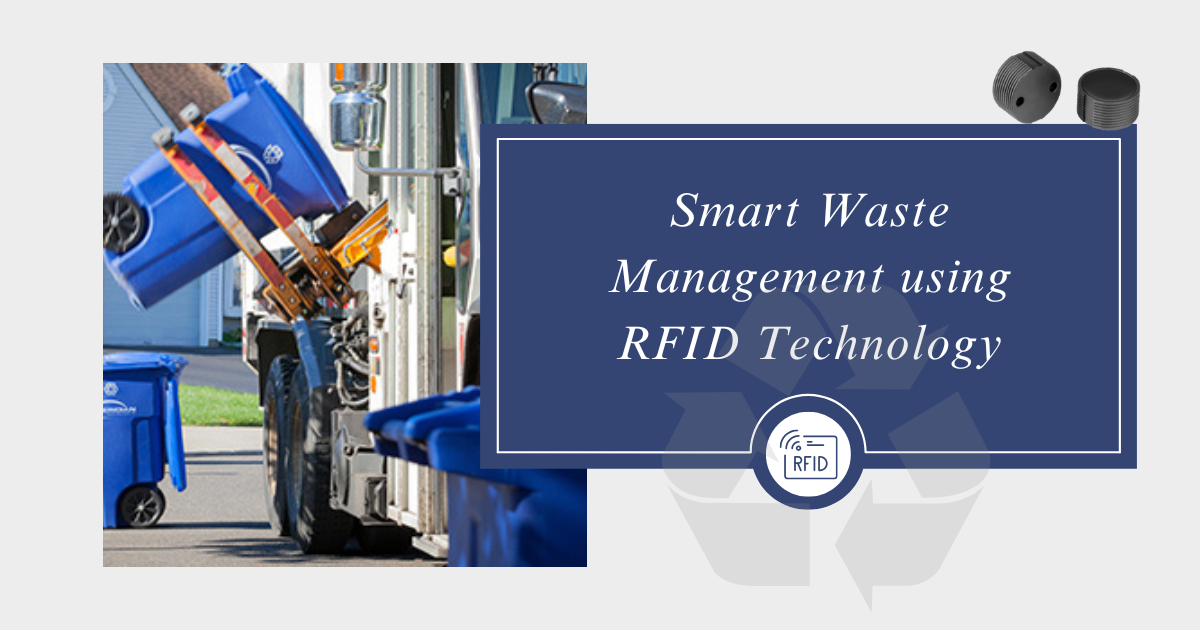
Waste disposal trucks equipped with RFID readers pick up waste bins marked with RFID tags. The readers then record the exact time and place for every waste bin that is emptied. Installation of RFID tags on trucks facilitates automatic identification of these trucks at waste disposal sites and feeds waste weight information to an integrated database. These RFID tags enable operators to monitor sorting quality, track the number of times a container is dispatched for collection as well as the weight of its contents. Automatic data collection quickens and simplifies the process of billing for services rendered and allows easy implementation of incentive programs.
Pharma & Healthcare
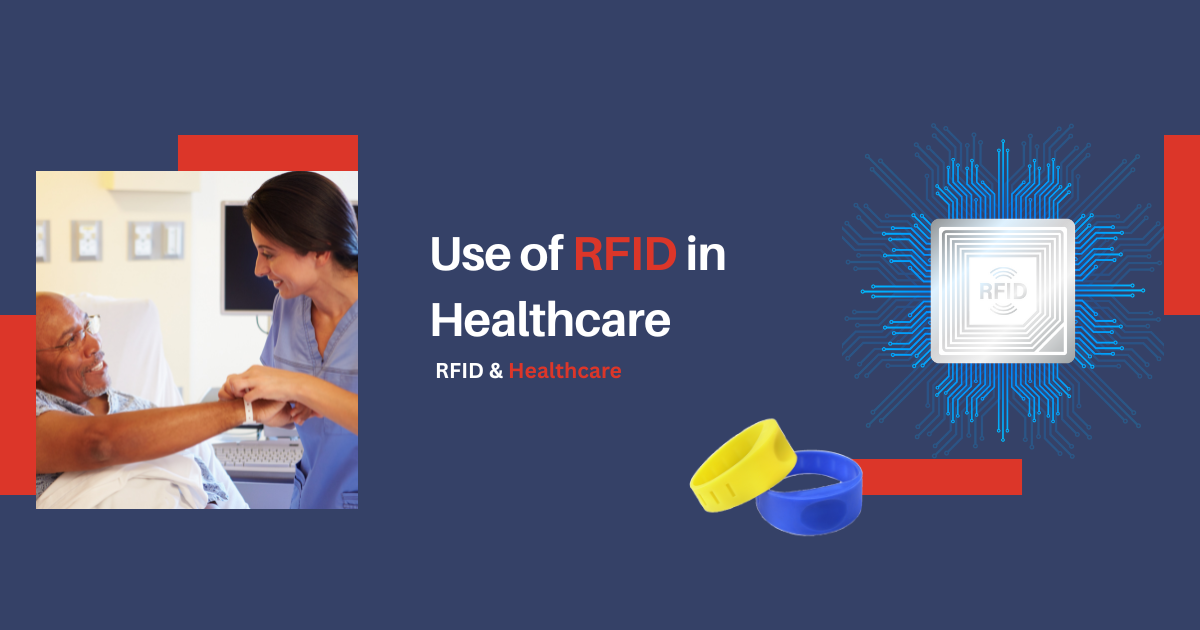
RFID Technology plays a crucial role in the pharma & health-care industry, it includes equipment tracking, people identification and tracking, medical report monitoring, medicine tracking, and supply chain. Pharmaceutical companies and hospitals are becoming main customers for RFID Technology. It makes tracking and identification easier! RFID saves organisations time and money by storing patient information and monitoring their location in hospital. The data collected in real time is immediately available to personnel.
Inventory Management
With increasing complexities in the work process, managing inventory has become tough and important too. RFID application of inventory management helps to control inventory, stock security and quality management.
RFID technology helps in identification and recording of individual products and components, and to track them throughout the verticals from production to point-of-sale. This process does not require direct line-of-sight and it creates a real time visibility of stock in hand, thus helps proper utilisation to it. Every movement of the inventory/stock can be automatically stored on the system with the help of this technology.
NFC Application
Near field communication (NFC) is a short-range wireless connection that allows for sharing data between several devices, as well as accessing information and carrying out commercial transactions only by approaching our credit card to a compatible reader.
Mobile payment is a point of sale (PoS) payment method which is done through smart phones facility which requires near field communication. Mobile payment is not only convenient but safe also. It is done through smart phones, and has reduced the requirement of carrying cash in hand.
Tracking and identification becomes important for any company when they hold a huge amount of material. RFID applications are majorly about tracking and identification of asset, inventory, waste, vehicles, human, animal, containers, baggage or any material as discussed above.
Radio frequency identification tags can be applied for tracking and identification of any object. This technology do not require any direct line of sight, it automatically stores all the information of tagged objects. Unlike barcode, Multiple (>100) RFID tags can be read simultaneously. Also, once up and running, the system can be completely automated or requires low human intervention. RFID applications includes- pallet tracking, vehicle tracking, parking management, jewellery management, electronic toll collection, mobile payment, manufacturing & automation, library applications, warehousing & distribution.
RFID has been described as the “world’s oldest new technology”, whereas the use of Radio Frequency Identification (RFID) technology is growing now! A study shows, RFID technology is at a growth since it is being adopted by more companies each year. It is implemented in various sectors, and used for very different purposes. This is because of benefits derived from using RFID technology; it makes tracking, identification & recording convenient for various industries.
Benefits of RFID technology for Business:
Optimum Utilization of Assets
Asset management is the most common use of RFID technology for any business. Companies tag their asset to track and record the number of assets, and manage them. Most companies do this to store relevant information about the asset through RFID technology. It improves the reliability on assets- a manager can monitor maintenance cycles, analyse costs, and review asset availability. Examples include tagged machines where the maintenance history and all information are stored on the tag. Every company needs to keep track of its assets. Asset management through RFID technology helps businesses to streamline their operations. Keeping a track of assets gives a clear picture of the company, and helps in reducing cost and optimum utilization.
Visibility in flow of Items
RFID technology creates a visibility in operations and reduces manual inventory management process. By creating visibility in flow of items business can cut down extra cost and improve work flow. RFID tags are attached to an item which moves along the supply chain. These tags have a unique identification number with all the information stored on its IC. As the item move along supply chain it is not required to manually track it. For example- Among retailers, the benefit of RFID is its potential to create visibility and reduce manual interference, thus an error free process. Retailers could track the tagged products as they move along the distribution tiers (from manufacturer to store shelves). The main benefit of RFID is visibility!
Inventory Audit / Management
RFID inventory tracking application solves challenges faced by businesses related to inventory. Manual inventory tracking is a time consuming process also includes higher chances of error. RFID technology helps to overcome this problem by allowing businesses to automatically track and manage data. Inventory is usually traced by business to optimize the stock level; helps in maximizing availability of items according to upcoming requirement, reducing unnecessary inventory and reducing carrying cost.
RFID based Inventory tracking solves these challenges by providing businesses with the means to track the location at item, crate, pallet or conveyor level and to maintain count of inventory at all stages of the supply chain. For example- For warehousing and distribution, RFID based inventory tracking lowers the cost of verifying contents, locations and availability of needed goods.
Identification of human or object
An RFID tag containing additional identification/authorization information, scanned by a reader tied to a secure access data base, greatly improves security. Human safety is also enabled by RFID. In hospitals, it’s of course critical to ensure that the correct medicine or procedure is given to the correct patient. Unfortunately, even with the ubiquitous wristband identification, mistakes are made. For authentication purposes, RFID is used to provide secure identification mechanisms for persons and objects. Prominent examples of personal authentication are company entry badges, transportation system cards, electronic passports and identity cards.
Automatically recording and managing Information
RFID tags are also beneficial to businesses which require more than one person to perform the same task. This process where many people are involved in performing a particular task may result in inefficiency in overall process. The manual process of recording information for the task performed by each person or, every time a particular asset/document is touched might not be recorded. RFID overcomes this limitation by allowing businesses to record the data on tags and read every time before performing. For example- Hospitals involve many people, drugs, locations and related documents involved at various points in overall treatment process of a patient. RFID tags can be used to update the patient’s history and intended treatments with every step in the process to greatly simplify the process. This could reduce chance of any error, thus increasing productivity.
NFC based payment
Mobile Payment is a point of sale (PoS) payment method which is done through smart phones. The mobile payment facility has reduced the requirement of carrying cash in hand. Mobile payment is not only convenient but safe also. It requires a technology called Near Field Communication (NFC), which is an extension of Radio frequency identification (RFID) technology that combines the interface of a smart card and a reader into a single device. This allows two-way communications between endpoints, where earlier systems were one-way. For two devices to communicate using NFC one device must have an NFC reader/writer and one must have an NFC tag.One of the most popular uses of RFID today is to pay for road tolls without stopping. These active systems have caught on in many countries, and quick service restaurants are experimenting with using the same active RFID tags to pay for meals at drive-through windows. RFID is also catching on as a convenient way to pay for bus, subway and train rides. RFID technology is used for payment systems to secure transactions. Safety requirements for tags are very high. The systems are further characterized by very low read ranges to avoid mixing different payment cards.
Thus, RFID serves following benefits to business:
It reduces labor costs.
RFID also improves visibility of inventory by providing real-time updates and faster scanning.
RFID tags can hold large amount and different types of data, and that data can be read even in remote locations without a connection to the back-end database.
Durability also increases with RFID tags, it is made for harsh, it more robust and durable in outdoor environment.
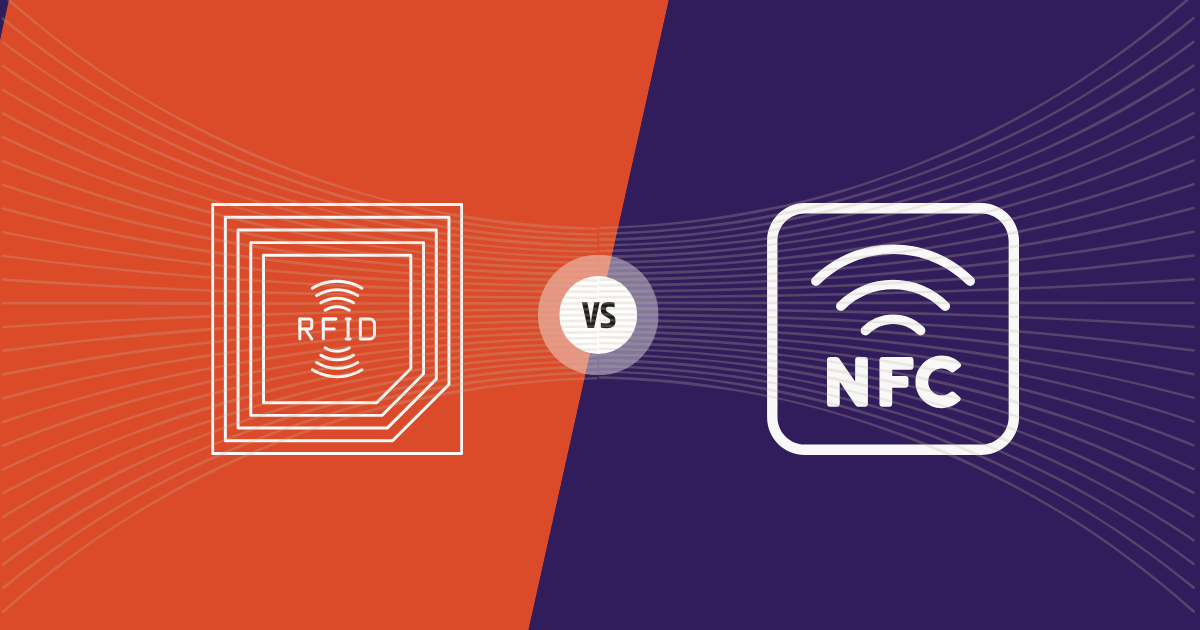
NFC technology emerged from RFID technology, but in comparison with RFID, there are some differences.
So, what is the difference between them? We will guide you in understanding what NFC technology is, what the RFID technology is, and how they differ.
What is RFID?
Radio Frequency Identification (RFID) is an automatic identification technology that is non-contact. It automatically identifies target items and by means of radio frequency signals acquires appropriate information.
It can operate without manual interference in different hostile settings. RFID technology can simultaneously recognize high-speed moving items and various tags that can be operated quickly and conveniently.
What is NFC?
NFC Technology is derived from the “contactless radio frequency identification†(RFID) and interconnection technology between wireless devices, just like RFID.NFC information is also transmitted by electromagnetic induction coupling in the radio frequency part of the spectrum, but there is still a big difference between the two.
First of all, NFC is a wireless connection technology that provides easy, secure and fast communication. Its transmission range is smaller than that of RFID.
Secondly, NFC is compatible with the existing contactless smart card technology and has become a formal standard supported by more and more major manufacturers.
Thirdly, NFC is also a close-range connection protocol, which provides easy, safe, fast and automatic communication between various devices.
Compared with other connection modes in the wireless world, NFC is a close private communication mode.
The difference between NFC and RFID Technology:
1. Distance: The working distance of NFC is 0-10. Because RFID has different frequencies, it’s working distance varies from several centimeters to tens of meters.
2. Frequency: The working frequency of NFC is 13.56MHz, while the working frequency of RFID is low frequency, high frequency (13.56 MHz) and ultra-high frequency.
3. Working mode: NFC supports both read-write mode and card mode. In RFID, card reader and contactless cards are two independent entities, which can not be switched.
4. Application areas: RFID is more used in production, logistics, tracking, and asset management, while NFC works in access control, bus card, mobile payment, and other fields.
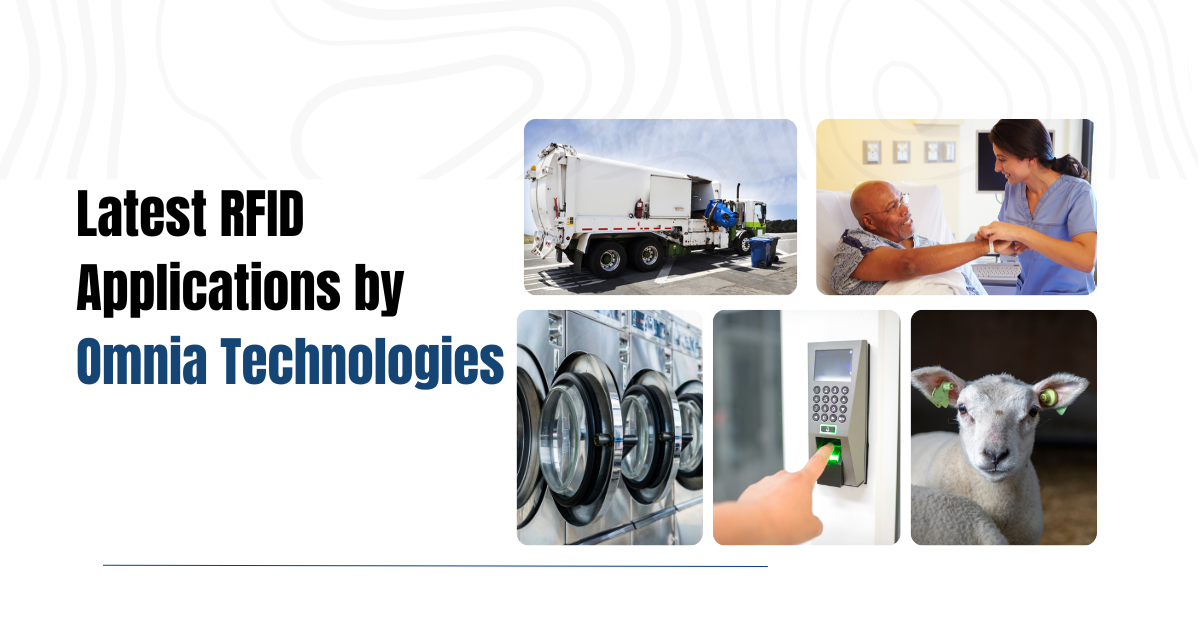
Latest RFID Applications by Omnia Technologies
RFID stands for Radio frequency identification technology. RFID enables wireless data collection by readers from electronic tags attached to or embedded in objects, for any RFID application. RFID systems involve software, network and hardware components that enable information to flow from tags to the organisation’s information infrastructure where it is processed and stored.
RFID applications focus on tracking and identification of any object or material. Omnia Tags manufacture various type of tag based on RFID application in different frequency ranges- Low Frequency, High Frequency and Ultra High Frequency. RFID applications have been in use for many years in transport, access control, event ticketing and management, and, more recently, in government identity cards and passports, and extensively in manufacturing supply chains and in logistics for goods distribution.
RFID applications vary from one industry to another industry. One application could require a tag in a wristband form with ultra-high frequency; on other hand one could require a soft tag with low frequency. A single tag can also serve many industries, but it ultimately dependent upon the RFID application it is being used for.
We manufacture these tags to serve numerous RFID applications as below:
Asset Management
RFID based asset management system helps an individual to keep a track of their assets. Asset can include any valuable thing to a company. This system provide a non-contact, non-line of sight method of automatically gathering, inspecting and distributing detailed production information and are capable of reading through metallic and non-metallic objects.
Asset management is an RFID application which requires hard or soft tags to track and identify assets of a company. Omnia Tags manufactures various range to RFID tags used for asset management.
IT Asset management is one aspect of the above, IT Asset tracking is tracking of the various IT asset of a company like laptop, CPU, monitor, keyboard etc. from the time of their purchase to time of disposal. Asset tracking enable you to identify and track change in the location of assets, increase or decrease the number of assets, track assignment status and user information.
Laundry Management
RFID Laundry tags enable companies to track linens, clothing, rags and other assets leading to efficient inventory management. Each laundry tag has a unique identification number which helps track every garment individually, quickly and accurately. Omnia’s laundry tags can be easily patched in garments and linens. They are designed to withstand pressure, heat and chemical exposure.
Major customers of RFID laundry management are Hospitality industry, Commercial launderers and dry cleaners, and healthcare.
Access & Security
Radio Frequency Identification (RFID) Tags are being used for access control and security system for several years. Nowadays, the system of automatic identification has become necessary to overcome the security threats. The RFID based access & security system only allows the authorized person to enter or exit from a certain check point. RFID application for access and security includes- person identification, parking management, access control, library applications, etc.
We design and manufacture these tags for all the applications for Government, Healthcare, Manufacturing and all other industries.
Animal Identification & tracking
Animals move from one farm to another and their movement cannot be controlled or stored like any other product. The manual process of data entering about the number of animal enters and exit from the farm is time consuming resulting in more possibilities of errors. RFID Technology is largely used now days to track and record animal information, where direct line-of-sight is not practical. Radio tracking technology can help determine exactly where an animal is at any moment in time and often what that animal is doing!
RFID Tags attached to animals provides basic information about the animals. These tags come in various different sizes and can be incorporated into ear tags. The tags can also be safely injected or embedded in a ceramic bolus and permanently placed into an animal’s stomach.
Waste Management
RFID tags to help municipalities and waste management companies optimize their resources and make the data collection process more efficient. Waste management companies and container manufacturers can choose from a broad spectrum of LF, HF and UHF passive contactless transponders that provide various levels of resistance to water, chemicals, shock, and temperature variation.
Waste disposal trucks equipped with RFID readers pick up waste bins marked with RFID tags. The readers then record the exact time and place for every waste bin that is emptied. Installation of RFID tags on trucks facilitates automatic identification of these trucks at waste disposal sites and feeds waste weight information to an integrated database. These RFID tags enable operators to monitor sorting quality, track the number of times a container is dispatched for collection as well as the weight of its contents. Automatic data collection quickens and simplifies the process of billing for services rendered and allows easy implementation of incentive programs.
Pharma & Healthcare
RFID Technology plays a crucial role in pharma & health-care industry, it includes equipment tracking, people identification and tracking, medical report monitoring, medicine tracking, and supply chain. Pharmaceutical companies and hospitals are becoming main customers for RFID Technology. It makes tracking and identification easier! RFID saves organisations time and money by storing patient information and monitoring their location in hospital. The data collected in real time is immediately available to personnel.
Inventory Management
With increasing complexities in the work process, managing inventory has become tough and important too. RFID application of inventory management helps to control inventory, stock security and quality management.
RFID technology helps in identification and recording of individual products and components, and to track them throughout the verticals from production to point-of-sale. This process does not require direct line-of-sight and it creates a real time visibility of stock in hand, thus helps proper utilisation to it. Every movement of the inventory/stock can be automatically stored on the system with the help of this technology.
NFC Application
Near field communication (NFC) is a short-range wireless connection that allows for sharing data between several devices, as well as accessing information and carrying out commercial transactions only by approaching our credit card to a compatible reader.
Mobile payment is a point of sale (PoS) payment method which is done through smart phones facility which requires near field communication. Mobile payment is not only convenient but safe also. It is done through smart phones, and has reduced the requirement of carrying cash in hand.
Tracking and identification becomes important for any company when they hold a huge amount of material. RFID applications are majorly about tracking and identification of asset, inventory, waste, vehicles, human, animal, containers, baggage or any material as discussed above.
Radio frequency identification tags can be applied for tracking and identification of any object. This technology do not require any direct line of sight, it automatically stores all the information of tagged objects. Unlike barcode, Multiple (>100) RFID tags can be read simultaneously. Also, once up and running, the system can be completely automated or requires low human intervention. RFID applications includes- pallet tracking, vehicle tracking, parking management, jewellery management, electronic toll collection, mobile payment, manufacturing & automation, library applications, warehousing & distribution.
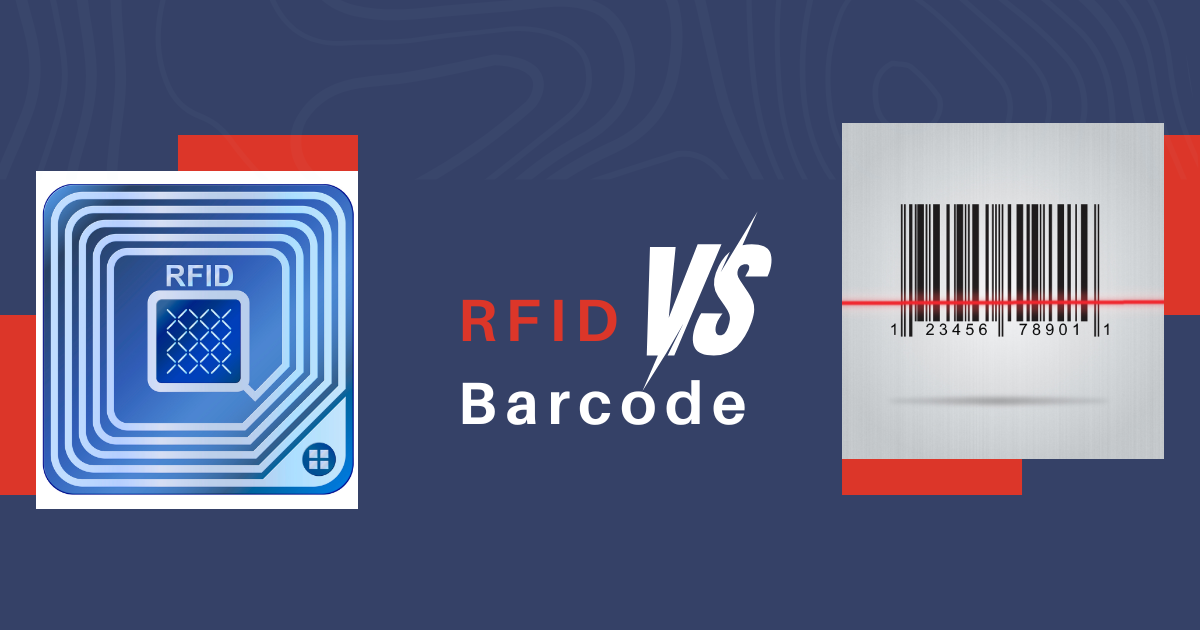
Radio Frequency Identification (RFID) is a wireless communication technology that can define particular objectives and read and write associated information via radio signals without creating mechanical or optical contact between identification scheme and particular objectives. Radio signals are transmitted from RFID tags attached to objects by electromagnetic fields tuned to radio frequencies to automatically identify and track the objects.
Barcode technology is the abbreviation of barcode auto-identification technology. It is an automatic technology for the recognition of symbols based on modern IT. It can incorporate symbol coding features, data acquisition, automatic identification, information input, and storage. It can efficiently fix the issues of big amounts of at acquisition and automatic input in the logistics system.
The advantages of RFID technology over barcode technology:
1. RFID tags are more secure:
Because RFID carries electronic information, itā€™s data content can be protected by encryption technology, so that its content is not easy to be forged and altered, while barcode is exposed to physical information, and the use of common coding rules, data security can not be guaranteed.
2. Higher efficiency of RFID:
The recognition frequency of barcode scanning is limited, only one barcode can be scanned at a time, and the RFID reader can identify and read several RFID tags at the same time.
3. The storage capacity of RFID tag Data:
The capacity of the one-dimensional barcode is 50 bytes, the maximum capacity of the two-dimensional barcode can store 2 to 3000 characters, and the maximum capacity of RFID is several megabytes. With the development of memory carriers, data capacity is also expanding. In the future, the amount of data needed to be carried by articles will be increasing, and the demand for expanding the capacity of storage media will increase accordingly.
4. Anti- Pollution ability and durability of RFID tags:
Traditional barcode carriers are paper, so it is vulnerable to pollution, but RFID has a strong resistance to water, oil, and chemicals. In addition, because the bar code is attached to plastic bags or cartons, it is particularly vulnerable to damage; the RFID label is the data stored in the chip, so it can be free from contamination and prolong service life.
5. The external forms of RFID tags are various:
RFID is not limited by size and shape in reading. It does not need to solve the size or printing accuracy of the carrier in order to read accurately. In addition, RFID tags can be used in different products with the development of miniaturization and diversification.
6. RFID Technology can be re-used:
Traditional barcode carriers are paper, so it is vulnerable to pollution, but RFID has a strong resistance to water, oil, and chemicals. In addition, because the bar code is attached to plastic bags or cartons, it is particularly vulnerable to damage; the RFID label is the data stored in the chip, so it can be free from contamination and prolong service life.
7. RFID is more penetrating and accessible:
In the case of coverage, RFID can penetrate non-metallic or non-transparent materials such as paper, wood, and plastics, and can carry out penetrating communication. The barcode scanner can recognize the barcode only at close range and without object obstruction.
If you want to know more about RFID Technology and Tags, feel free to contact us.
One of the primary functions of the healthcare industry is to care for patients. As baby boomers age and health insurance becomes more accessible to all, demand for health care is growing. Hospitals and their suppliers have focused on their main function rather than adopting technology and technologies that could enhance their bottom line and boost safety.
There are several ways in which healthcare companies and their suppliers can introduce RFID technology that will have a direct effect on their patient and personal safety.
1. Tracking of Surgical Instruments and Supplies:
To ensure that nothing was left inside the patient, all items used during surgery and present in the operating room must be counted.If all items are tagged with RFID, inventory becomes very simple and fast. This leaves more time for nurses to take care of patients and help physicians, which also improves the quality of care.
This system can also be linked to the hospital’s inventory and asset management scheme.To ensure that they were correctly obtained and sterilized before use and returned for refill after use, surgical kits can be further monitored for processing.
2. Access Control for Personnel and Patients:
A comparable scheme to tracking patients can also be used for medical staff and visitors to allow access to multiple areas of the facility. For instance, only a certain individual would be permitted into an operating room, ICU, or supply closet.
3. Tracking:
It is essential to ensure that patients do not wander off purposefully or accidentally in mental health organizations, drug recovery centers or services for the elderly.In this case, an RFID tag placed on a patient in the form of a necklace, wristband, ankle strap attached to a shoe or sewn into clothing can help to authorize and open access to various parts of the building as well as deauthorize and close exits from the facility and provide alerts.
4. Injection and Drug Dispensation Safety:
By scanning an RFID tag integrated into the patient’s wristband and a drug bottle with a handheld reader, the system matches the drugs with the patient in the database and gives confirmation, or warn if there are mistakes in the wrong drugs or dosages. The system can also be linked to the inventory management system.
5. Pharmacy and Laboratory Labeling:
Tracking test tubes, vials, blood bags and prescription medicines using RFID avoids misidentification of human samples and medicines and improves precision and safety.
6. Temperature Tracking:
Temperature monitoring for drugs, blood and tissue samples, vaccines and other delicate materials guarantees that the medical products have been handled properly and are secure to use. Using a temperature monitoring scheme improves quality control, reduces waste, lowers costs, and most of all improves patient safety. There are many other applications for RFID that could improve healthcare safety, including asset management systems to guarantee that lifesaving machines are situated rapidly and are correctly maintained and accessible.
In recent years, waste management services have made a concerted effort to use information technology to reduce waste management costs and to identify missing/stolen bins. The application of these principles can be facilitated by the use of mobile technology such as Radio Frequency Identification (RFID).
RFID is a modern and fast-growing technology that uniquely and accurately identifies an RFID tag (waste tag) attached to, or embedded in, a waste bin which helps in the identification and traceability of waste bins.
By using RFID tags, waste can be identified and tracked through the entire waste chain. Many jurisdictions and private sector operations have attached RFID tags to waste containers and equipped their trucks with RFID readers thereby improving sortation, validating and verifying pickups, tracking the number of times a container is used for collection as well as tracking the weight of the container’s contents at each and every pickup. A waste management system using RFID simplifies billing for service.
RFID is now being used by municipalities and private operators to monitor waste pickup. Waste disposal trucks equipped with RFID readers pick up bins that are equipped with RFID tags. The readers record the exact time and location every time a waste container is emptied. This introduces a new degree of monitoring and control of the waste disposal process. With an RFID based system operators have accurate and real-time data that can be used for customer billing as well as route and resource planning. The real-time aspect allows municipalities to monitor the performance of contractors.
Waste containers come in many forms, materials, and sizes, but they are all subject to harsh environments and rough handling. Being outdoors, waste containers face all the elements: cold, wet and heat and being waste containers, endure both human and machine abuse. Only RFID tags can withstand these conditions and continue functioning throughout the life cycle of these containers.
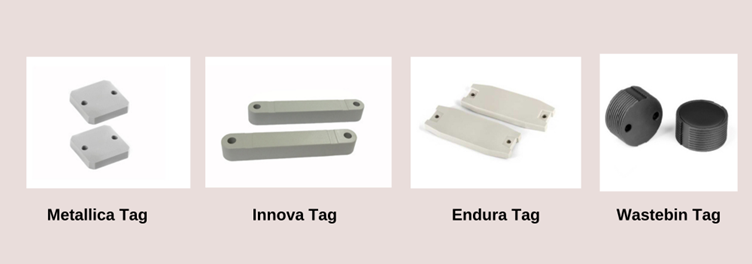
Omnia Technologies produces Wastebin tags which are manufactured in such a manner that they can withstand any harsh conditions like extreme cold, heat, rains, etc. Also, these tags can be customized according to the requirement of the customer.
Benefits of using RFID in Waste Management:
1. Easier recovery of lost or stolen carts.
2. Easy accounting of travel routes of garbage trucks and automatic recording for each individual cart pickup with no required driver interaction on the pick-up route.
3. Cheaper, faster, more accurate data reporting. No manual data entry is required.
4. Easier waste sorting at the household level.
5. An unprecedented degree of control and traceability in disposing of hazardous or otherwise sensitive waste material.
6. Fewer collection points and containers required for recycling.
7. Less cleaning and maintenance work on recycling
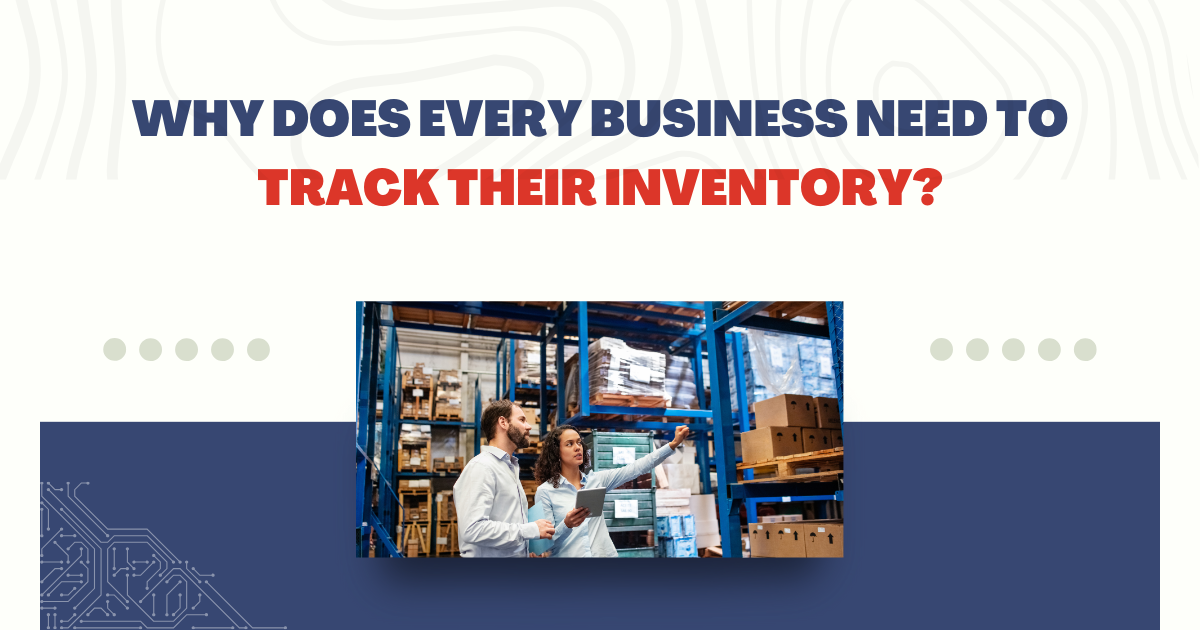
Why does every business need to track their inventory?
Small business owners of today have considerable advantages over those of only a few decades ago. Technological advances make many business aspects more efficient and offer a number of effective tools.
From basic information technology to logistics, marketing, and human resources, there are affordable and efficient ways of performing manual functions and tasks that were previously tedious, including ways of Inventory tracking.
Inventory tasks include:
1.Planning for seasonal activities for companies shipping large quantities of products.
2.Anticipating shortages.
3.Anticipating growth in demand from promotions and added marketing success.
4.Providing the necessary financial reporting information.
An effective inventory approach will:
1. Achieve maximum discounts on the purchase level.
2. Improve negotiating a position with vendors and shipping sources.
3. Help meet overall customer expectations and needs.
4. Control Working capital investment.
5. Minimize the cost of ordering too often and the need for rush delivery.
6. Minimize shortage and out-of-stock costs.
7. Lower capital costs for excess inventory.
8. Reduce losses due to outdated inventories.
Omnia produces RFID tags which are small microchips plus a small aerial that may contain a range of digital information about a specific item.
RFID Tags are embedded in plastic, paper or similar material and attached to a product or packaging, a pallet or container, or even a van or truck. An RFID reader interviews the tag, transmitting and receiving radio signals from and to the tag. Using special computer software the information the reader collects is collected and processed. Readers can be placed in a factory or warehouse at different positions to show when goods are being moved.
RFID technology helps to identify and record individual products and components and track them from production to point-of-sale throughout the verticals. This process does not require direct line-of-sight and creates inventory visibility in hand, thus helping to make proper use of it. With the help of this technology, each inventory/stock movement can be automatically stored on the system.
The use of RFID tagging for stock control offers several advantages over other methods such as barcodes:
1.Tags can be read remotely, often at a distance of several meters.
2. Several tags can be read at once, enabling an entire pallet-load of products to be checked simultaneously.
3. Tags can be given unique identification codes so that individual products can be tracked.
4. RFID tags can be overwritten, enabling information about items to be updated, eg when they are moved from one part of a factory to another.
Over the past few years, the costs associated with RFID tagging have fallen and continue to fall. The benefits of more efficient stock control and enhanced security make it particularly attractive to retailers, wholesalers or distributors stocking a wide range of items, and to manufacturers producing volume runs of products for various customers.
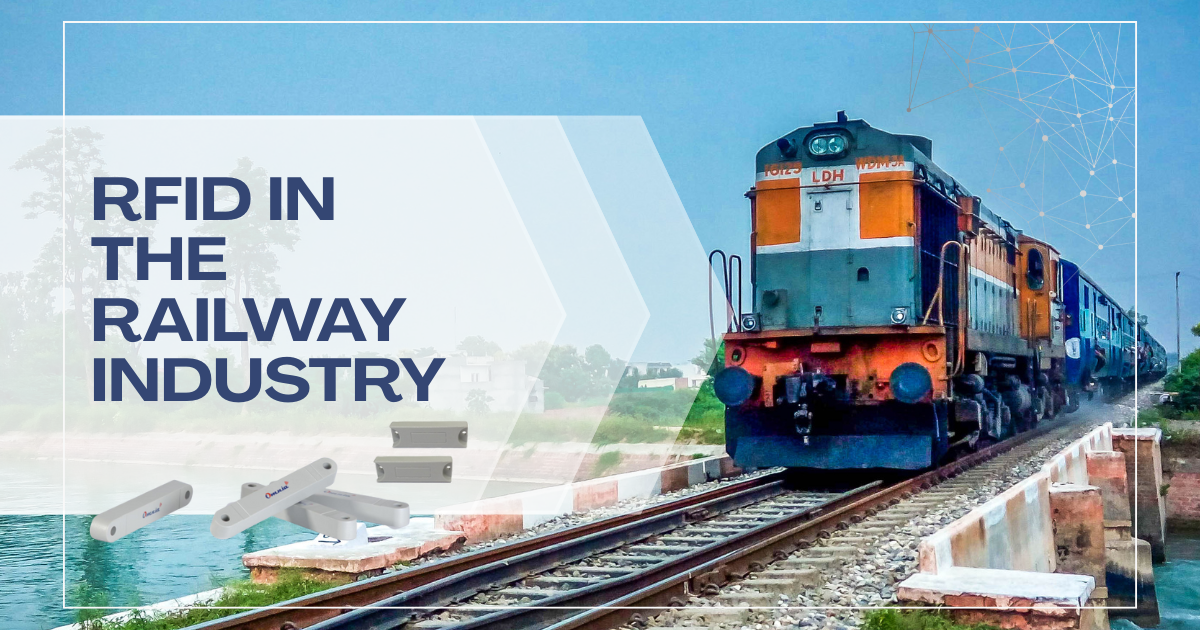
From one of the first deployments of RFID on rail cars in the mid-1980s to the inception of railroad standards for RFID in the 1990s, the widespread use of RFID on railways has grown rapidly in multiple applications.
Across countries such as South Africa, Finland, Germany, Sweden, the United States, and India, railways are becoming increasingly automate and smarter with the use of auto-ID. Benefits do not stop at companies owning railways or railcars, but apply to people and companies dependent on railways for their own and/or their goods to travel safely and efficiently.
Benefits from using RFID on railways:
1. Decreased Human Error
2. Decreased Logistical Delays
3.Decreased Quantity of Lost/Stolen Items
4. Decreased Fraud
5. Decreased Operating Costs
6. Increased Visibility
7. Increased Customer Satisfaction
8. Increased Customer Service
Railway Management Systems
Goods which travel by rail can be costly to manage. The cargo ranges from car parts, construction materials, and energy resources such as gasoline, coal, and compressed natural gas, to raw materials such as iron ore and grains. The cost of the items destroyed, damaged or stolen is hundreds of millions of dollars per year.
The freight is not only costly, but there are many moving parts involved, such as train schedules, track management, availability of rail cars, rail car and rail track repairs, ticketing, and cargo schedules. RFID was implemented as a way to identify railway cars in a unique way but has slowly spread to additional uses, establishing itself as an important railway management solution.
1. Rail Car Tracking
Tagging rail cars with RFID tags can serve a few different purposes – either to uniquely identify rail cars for rail car visibility, preventative maintenance, or any combination of the above.
Tagging each rail car is critical to the logistics of the cargo. Each shipping container or crate could be going to different states or countries so having that information associated with each rail car is essential to delivering cargo. Today, it is reported that over 95% of North American railcars are tagged with RFID technology for identification purposes.
One of the most common uses for RFID on railways is tracking the individual rail cars or wagons in order to give enhanced visibility into where the trains are on the railway at all times. By tagging rail cars and having read stations along the track at certain intervals – it takes the guesswork out of arrival and departure times for both freight and passenger trains. Readers can be set up at intervals so that they can correctly provide directionality and speed, allowing for the calculation of remaining time.
Vehicle service records are important to maintaining due to the major concerns associated with damaged or faulty rail cars. By tagging rail cars with RFID tags, rail operators can keep track of service records in order to schedule and perform maintenance before any issues occur. Each tag can be read at reading stations, and mileage can be recorded to a database that also keeps that car’s service records.
2. Ticketing
Rail tickets are typically checked using a visual scan or a barcode, but, due to an uptick in fraud, RFID has been deployed as a way to counteract counterfeit tickets.
In 2006, China was one of the first countries to implement single-use, paper tickets with embedded HF RFID tags. Barcodes are very easily duplicated, and, when the country was seeing about 3 billion passengers per year, railways could have been losing hundreds of thousands of dollars from counterfeit ticketing each year.
Sweden is one of the countries that are at the forefront of the RFID technology wave. A Swedish rail company, SJ, isn’t just using RFID for Oyster cards and ticketing, but they are going the extra mile by offering to store passengers’ annual train card information on their implanted RFID tag. Only available to passengers that have a pre-existing RFID implant, now ticketing can be done with a scan of someone’s hand using HF, specifically, NFC RFID technology.
3. Asset Management
Many businesses using the railways for high-value resource transport choose to tag their freight or goods with RFID. For example, by putting RFID tags on every cargo container, suitcase, or barrel of oil, it minimizes the risk of errors and reduces the amount of labor time involved in identifying and distributing the cargo.
Independently tagging and tracking cargo is typically carried out by the shipping or receiving company of the items, but can also be used by the railwaycompany as a temporary safety measure if the cargo has to change trains, or if there are more than one company’s goods on a railcar.
Conclusion
By adding visibility, operational efficiencies, and extreme accuracy – RFID lowers labor costs and enhances customer and employee satisfaction. All these additions lower the cost and diminish the risk of transportation via railways.
The cost to tag each wagon or rail car is tag dependent on several factors, but generally is low, and, even with the one-time hardware infrastructure cost of reading stations throughout the track, the cost to implement an RFID solution is commonly less than the value of assets on one rail car.
A FASTag is a rechargeable tag that is used to automatically deduct toll charges that allow a vehicle to pass through a toll gate without stopping for payment. It uses radio frequency identification (RFID) technology to make payments without cash through a prepaid account connected to it.
FASTags are fixed to the windscreen of a vehicle and an RFID antenna in the canopy of the toll gate scans the QR code and the tag identification number, following which the boom barrier lifts to allow a vehicle to pass through. The FASTag comes in seven different colors — violet, orange, yellow, pink, blue, green, and black. Each category of vehicle is assigned with a particular color.
Benefits of FASTag
For Vehicle Owners:
Hassle-free toll payments at FASTag toll plazas
No long queues
Non-stop movement of vehicles can lead to lower fuel costs
Various payment options like credit/debit cards, NEFT, etc. can be used for online FASTag recharge
Up to 0.5%* cashback
FASTags can be linked to insurance policies helping customers to do away with the urgency of carrying the policy documents
For Government:
Better highway management
Brings on transparency in toll transactions
Reduction in revenue leakages
Greater project accountability
For Toll Operators:
Cashless payments without the involvement of change
Reduced time is taken to process tolls
No customer aggression due to long queues and change
Reduced operational costs
Better audit control through centralised user accounts
FASTags colours and Vehicles
a) Class 4 vehicle (Car , Jeep , Van) – VIOLET
b) Class 5 vehicle (Light commercial vehicle, Minibus)- ORANGE
c) Class 6 vehicle (Bus and Truck 3 axle)- YELLOW
d) Class 7 vehicle (Bus and Truck 2 axle)- GREEN
e) Class 12 vehicle (Bus and Truck 4/5/6 axle)- PINK
f) Class 15 vehicle (Truck 7 or more axle)- BLUE
g) Class 16 vehicle (Heavy construction machinery and earth moving equipment)- BLACK
Conclusion
Getting stuck in long queues while crossing NHAI tolls is perhaps something we have all experienced at some point. National Highways Authority of India or NHAI plans to make this a thing of the past by launching NHAI FASTag program. This implementation by the Indian government has been applauded by all, which is evident from the fact that automatic collections at toll plazas along national highways, in conjunction with toll plaza free passes, has led to 24% increase in electronic toll revenue. Indian transportation as we know is the backbone of Indian economy, and with this move, this backbone will only strengthen.
Get in Touch
For any questions regarding FASTag, reach us at sales@omniatags.com