Category: Uncategorized

  • Why the Tire Industry Is Moving Beyond Traditional Identification Methods

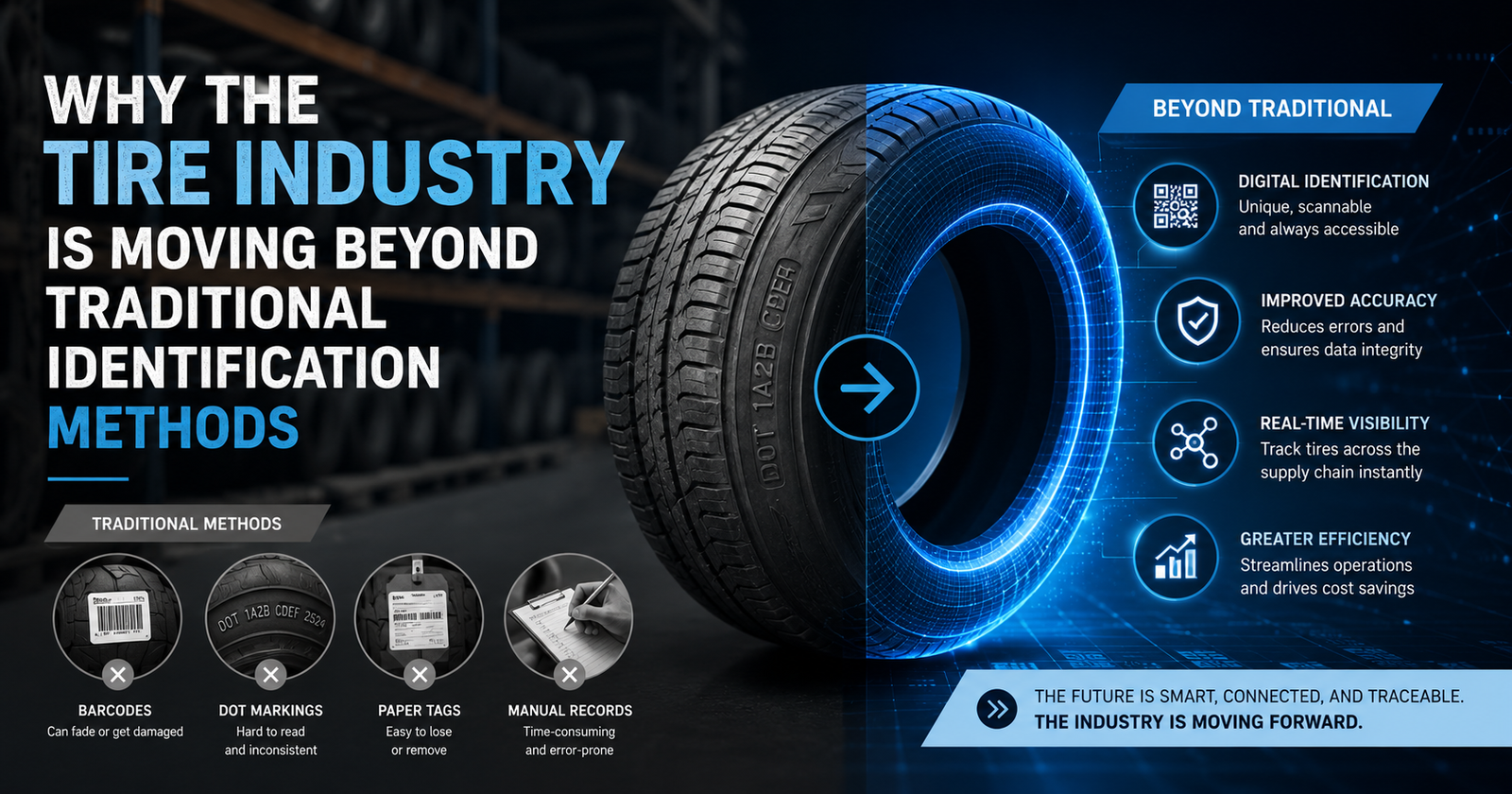
    Why the Tire Industry Is Moving Beyond Traditional Identification Methods

    Tires are among the most valuable and heavily utilized assets in transportation, logistics, mining, construction, and fleet operations. Yet many organizations still rely on manual records, visual inspections, barcode labels, or paper-based systems to track tire inventory and performance.

    As tire costs continue to rise and fleet managers seek greater operational efficiency, traditional identification methods often struggle to provide real-time visibility into tire movement, maintenance history, and usage patterns.

    This is where RFID tire tags are transforming tire management.

    By embedding a durable RFID tag directly into the tire, organizations can create a unique digital identity for every tire, enabling automated tracking throughout its entire lifecycle—from manufacturing and warehousing to deployment, maintenance, retreading, and end-of-life disposal.

    In this guide, we explore how RFID tire tags work, implementation best practices, key technical considerations, and the business benefits of deploying RFID-enabled tire identification systems.

    What Are RFID Tire Tags?

    RFID tire tags are specialized radio frequency identification devices designed to withstand the harsh conditions experienced by tires during their operational life.

    Unlike surface labels that can become damaged, dirty, or unreadable, tire RFID tags are engineered to remain functional despite:

    • High temperatures
    • Road friction
    • Vibration and impact
    • Exposure to moisture
    • Dirt and chemicals
    • Continuous tire flexing

    Each RFID tire tag contains a unique identification number that can be read wirelessly using compatible RFID readers.

    The stored data can be linked to information such as:

    • Tire serial numbers
    • Manufacturing details
    • Vehicle assignment
    • Maintenance records
    • Retreading history
    • Usage hours
    • Inspection reports
    • Fleet ownership information

    How RFID Tire Tracking Works

    The RFID tire management process typically follows these steps:

    1. Tire Identification

    Each tire receives a unique RFID-enabled identity during manufacturing or before deployment.

    2. Data Registration

    The RFID tag ID is linked to a centralized database containing tire-specific information.

    3. Automated Reading

    RFID readers capture tire information without requiring line-of-sight scanning.

    4. Real-Time Updates

    Whenever a tire moves through checkpoints, workshops, warehouses, or inspection stations, the database updates automatically.

    5. Lifecycle Monitoring

    Organizations gain visibility into the complete tire journey from purchase to replacement.

    Why Tire Manufacturers and Fleet Operators Use RFID Technology

    1. Enhanced Tire Traceability

    RFID technology enables organizations to track every tire individually throughout its lifecycle.

    Benefits include:

    • Improved asset visibility
    • Reduced identification errors
    • Faster inventory audits
    • Simplified compliance reporting

    2. Improved Maintenance Planning

    Maintenance teams can instantly access tire history and service records.

    This helps organizations:

    • Schedule preventive maintenance
    • Monitor wear patterns
    • Improve tire performance
    • Extend operational lifespan

    3. Faster Inventory Management

    Traditional inventory counting can take hours or even days.

    RFID allows multiple tires to be identified simultaneously, significantly reducing:

    • Labor requirements
    • Audit time
    • Inventory discrepancies

    4. Better Fleet Performance

    Fleet managers gain access to accurate tire utilization data, helping optimize:

    • Tire rotation schedules
    • Replacement planning
    • Fuel efficiency initiatives
    • Asset utilization

    Key Technical Requirements for RFID Tire Tags

    Not all RFID tags are suitable for tire applications.

    Successful tire identification depends on selecting tags that meet demanding operational requirements.

    1. Durability

    Tire tags must withstand:

    • Mechanical stress
    • Continuous flexing
    • High-speed rotation
    • Environmental exposure

    2. Read Performance

    Reliable read rates are essential for:

    • Vehicle inspection points
    • Service workshops
    • Warehouse operations
    • Fleet management systems

    3. Temperature Resistance

    Tires generate heat during operation.

    RFID tags must continue functioning under elevated temperature conditions without performance degradation.

    4. Long-Term Reliability

    A tire tag should remain operational throughout the tire’s intended service life.

    5. Secure Data Integrity

    Unique identifiers help prevent duplication and support accurate asset management.

    RFID Tire Tag Implementation Playbook

    Organizations planning RFID deployment should follow a structured implementation strategy.

    Step 1: Define Business Objectives

    Identify primary goals such as:

    • Tire traceability
    • Maintenance automation
    • Inventory visibility
    • Lifecycle management
    • Regulatory compliance

    Clear objectives help determine the required RFID infrastructure.

    Step 2: Select the Appropriate RFID Tire Tag

    Tag selection should consider:

    • Tire type
    • Operating environment
    • Read distance requirements
    • Durability expectations
    • Data management needs

    Industrial and commercial tire applications often require highly rugged RFID tags specifically engineered for tire integration.

    Step 3: Establish Data Standards

    Define which information will be associated with each tire:

    • Asset ID
    • Vehicle ID
    • Manufacturing batch
    • Maintenance history
    • Service schedules

    Standardized data improves reporting accuracy and scalability.

    Step 4: Plan Reader Infrastructure

    Reader placement is critical for successful implementation.

    Common read points include:

    • Manufacturing lines
    • Warehouse entry/exit gates
    • Service centers
    • Vehicle inspection stations
    • Fleet depots

    Step 5: Conduct Pilot Testing

    Before large-scale deployment:

    • Validate read performance
    • Test environmental durability
    • Verify data accuracy
    • Evaluate workflow integration

    Pilot projects help identify challenges early.

    Step 6: Scale Deployment

    Once performance targets are achieved, organizations can expand RFID usage across:

    • Multiple facilities
    • Regional fleets
    • Global operations
    • Tire distribution networks

    Common Tire RFID Applications

    Fleet Management

    Track tire assignments, maintenance schedules, and replacement cycles across large vehicle fleets.

    Commercial Transportation

    Improve tire visibility throughout transportation operations.

    Mining Operations

    Monitor high-value tires operating under extreme environmental conditions.

    Construction Equipment

    Maintain accurate tire records for heavy machinery and equipment.

    Tire Manufacturing

    Support production traceability and quality control initiatives.

    Tire Retreading

    Track multiple retread cycles while maintaining historical tire records.

    Challenges Organizations Should Consider

    Although RFID offers significant advantages, successful deployment requires careful planning.

    Potential challenges include:

    • Improper tag selection
    • Inadequate reader positioning
    • Poor data management practices
    • Lack of process standardization
    • Insufficient testing before deployment

    Working with experienced RFID tag manufacturers can help organizations overcome these challenges and maximize return on investment.

    The Future of Intelligent Tire Management

    The tire industry is rapidly embracing digital transformation.

    As connected fleets, predictive maintenance systems, and data-driven operations become standard, RFID tire tags will play a central role in creating smarter and more transparent tire management ecosystems.

    Organizations that implement RFID-enabled tire identification today gain access to valuable operational insights that support:

    • Increased efficiency
    • Lower operating costs
    • Better asset utilization
    • Improved maintenance planning
    • Enhanced lifecycle visibility

    The result is a more intelligent, scalable, and data-driven approach to managing one of the most critical assets in transportation and industrial operations.

    Conclusion

    Tire management is no longer limited to manual inspections and spreadsheet-based records. RFID tire tags provide a reliable foundation for tire traceability, automated identification, and lifecycle visibility.

    By implementing a structured RFID tire tracking strategy, organizations can improve inventory accuracy, streamline maintenance processes, and gain deeper insight into tire performance throughout the asset lifecycle.

    As fleets and industrial operations continue to pursue operational excellence, RFID-enabled tire identification is becoming an essential component of modern asset management.

  • Why Manufacturing Facilities Are Moving Beyond Barcode Tracking

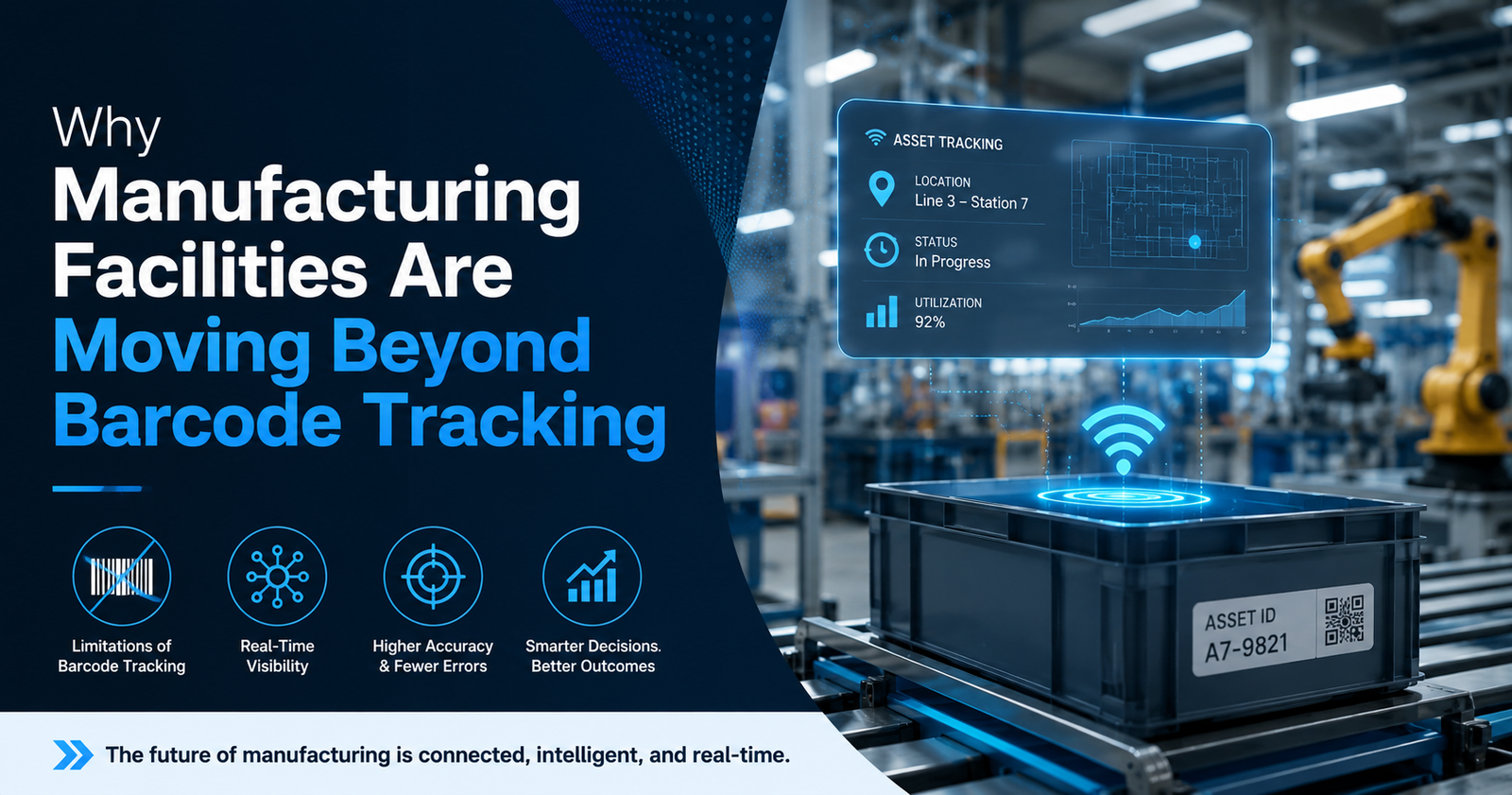
    Why Manufacturing Facilities Are Moving Beyond Barcode Tracking

    Manufacturing floors have changed significantly over the last few years. Production cycles are faster, warehouses are larger, and businesses are expected to maintain accurate inventory visibility at every stage of operations. In this environment, traditional barcode-based systems are no longer enough for many industrial workflows.

    Manufacturers today require faster identification methods, automated tracking, and real-time operational visibility without slowing down production. This is one of the major reasons RFID technology is becoming increasingly common across manufacturing and warehouse environments.

    From raw material movement to finished goods dispatch, RFID-enabled tracking helps industries reduce manual dependency while improving operational efficiency.

    As an RFID tag manufacturer, Omnia Technologies develops industrial RFID tags and labels designed for manufacturing, inventory management, warehouse operations, and industrial automation applications.

    The Problem with Manual and Barcode-Based Tracking

    Barcodes still work well for basic identification, but large-scale manufacturing operations often face challenges when tracking thousands of moving items daily. In many facilities:

    • Workers spend significant time scanning products individually
    • Inventory updates are delayed
    • Production visibility becomes limited
    • Tool tracking is inconsistent
    • Warehouse audits consume operational hours

    These gaps create inefficiencies that directly affect production timelines and inventory accuracy.

    RFID technology addresses these issues by allowing automatic identification without direct line-of-sight scanning.

    How RFID Improves Manufacturing Operations

    1. Faster Inventory Handling

    Manufacturing warehouses process continuous inward and outward material movement. RFID technology simplifies inventory management by allowing multiple items to be identified simultaneously.

    This helps facilities:

    • Reduce manual counting
    • Improve stock accuracy
    • Speed up warehouse audits
    • Monitor inventory movement in real time

    For industries handling high-volume operations, this creates a noticeable improvement in warehouse productivity.

    1.  Better Visibility Across Production Stages

    Production delays often occur because manufacturers lack visibility into where components or materials are currently located.

    RFID-enabled systems help track movement across:

    • Assembly lines
    • Production zones
    • Packaging units
    • Storage areas
    • Dispatch sections

    This gives operations teams better control over workflow movement and production planning.

    Improved Tool and Asset Tracking

    In industrial environments, misplaced tools and reusable assets can slow down operations. Searching for equipment wastes valuable production time.

    RFID tags attached to tools, pallets, bins, and containers help manufacturers:

    • Locate assets quickly
    • Monitor equipment movement
    • Reduce losses
    • Improve operational efficiency

    This is especially useful in large facilities where assets move across multiple departments daily.

    Supporting Warehouse Automation

    Modern warehouses increasingly rely on automated workflows. RFID technology supports this shift by improving material identification and reducing scanning dependency.

    Applications include:

    • Automated receiving processes
    • Shipment verification
    • Smart storage systems
    • Dock door tracking
    • Pallet identification

    With faster data capture, warehouse teams can process larger volumes without increasing manual workload.

    RFID in Real Manufacturing Environments

    RFID adoption is growing across industries where operational speed and traceability are critical.

    Common Use Cases Include

    Industrial Inventory Management

    Manufacturers use RFID labels to improve visibility of raw materials, components, and finished goods.

    Work-in-Progress Tracking

    Production teams can monitor product movement across manufacturing stages more efficiently.

    Returnable Asset Management

    Reusable containers, pallets, and crates can be tracked across warehouses and logistics networks.

    Smart Warehousing

    RFID-enabled systems improve storage accuracy and material handling processes.

    Industrial Equipment Tracking

    Facilities can maintain better visibility of high-value tools and operational assets.

    Choosing RFID Tags for Industrial Applications

    Manufacturing environments can be demanding for identification systems. Heat, moisture, chemicals, dust, and metal surfaces often affect tracking performance. This is why industries require RFID tags built specifically for industrial use cases.

    Factors manufacturers usually consider include:

    • Surface compatibility
    • Environmental durability
    • Read range requirements
    • Mounting methods
    • Exposure conditions

    Industrial-grade RFID tags are designed to maintain performance even in challenging operational environments.

    Omnia Technologies manufactures RFID tags and labels engineered for industrial applications including manufacturing operations, warehouse management, logistics tracking, and asset identification.

    Manufacturing Is Moving Toward Connected Operations

    Manufacturing facilities are increasingly investing in connected technologies to improve operational control and reduce process inefficiencies.

    RFID technology supports this transition by enabling:

    • Faster operational visibility
    • Real-time inventory updates
    • Better traceability
    • Improved warehouse accuracy
    • Reduced manual processes

    As industries continue adopting automation-driven workflows, RFID will remain an important part of modern manufacturing infrastructure.

    Conclusion

    Manufacturing operations today require more than basic identification systems. Businesses need accurate tracking, faster workflows, and real-time visibility across production and warehouse environments.

    RFID technology helps manufacturers improve operational efficiency by simplifying inventory management, supporting automation, and reducing manual tracking dependency.

    With growing demand for connected manufacturing systems, RFID adoption continues to expand across industrial sectors worldwide.

    As a manufacturer of industrial RFID tags and labels, Omnia Technologies supports businesses with RFID solutions designed for manufacturing, warehousing, logistics, and industrial automation environments.

  • Introduction: The Shift Toward Intelligent Workforce Identification

    Introduction: The Shift Toward Intelligent Workforce Identification

    In industries where uniforms are issued, reused, and circulated daily—such as manufacturing, healthcare, hospitality, and industrial services—traditional identification methods fall short. Manual tracking of garments leads to visibility gaps, inventory losses, and operational inefficiencies.

    Digital identification powered by RFID apparel tags is transforming how organizations manage workforce apparel—turning every garment into a data point within an intelligent system.

    At its core, this transformation is not about software alone—it begins with the RFID tag itself, the foundation of reliable identification and traceability.

    What Are RFID Apparel Tags?

    RFID apparel tags are embedded or attached identification devices that use radio frequency signals to transmit data without line-of-sight scanning. Each tag contains a microchip and antenna that stores a unique identifier linked to garment-specific information such as ownership, usage history, and lifecycle status.

    Unlike barcodes, RFID tags enable:

    • Bulk scanning (hundreds of garments in seconds)
    • Non-line-of-sight identification
    • Unique serialization at the individual garment level

    This makes them ideal for workforce apparel environments where scale, speed, and accuracy are critical.

    Why Workforce Apparel Needs Digital Identification

    Managing workforce garments is operationally complex:

    • Uniforms are frequently issued and returned
    • Items undergo repeated washing and redistribution
    • Multiple employees share apparel pools
    • Manual processes lead to sorting errors and losses

    According to applications outlined by Omniatags, RFID enables real-time visibility, process transparency, and data-driven decision-making across industrial environments.

    Without digital identification, these workflows remain fragmented and labor-intensive.

    How RFID Apparel Tags Transform Workforce Management

    1. Item-Level Identification & Traceability

    Each garment is assigned a unique digital identity, enabling organizations to track:

    • Which employee used the garment
    • How often it has been washed
    • Current location within the facility

    This level of traceability is not possible with traditional labeling systems.

    2. Automated Laundry & Lifecycle Tracking

    RFID laundry tags—such as those developed by Omniatags—are engineered to withstand heat, pressure, and chemicals, ensuring consistent performance through repeated wash cycles.

    This enables:

    • Automated garment counting during laundry intake and dispatch
    • Lifecycle monitoring (usage, wear, replacement cycles)
    • Reduced garment loss and misplacement

    3. Bulk Scanning & Operational Efficiency

    RFID systems can read 200–1000 tags per second, drastically reducing manual labor required for garment handling and inventory counts.

    For workforce environments, this means:

    • Faster shift-based uniform distribution
    • Real-time stock visibility
    • Elimination of manual counting errors

    4. Improved Compliance & Accountability

    In sectors like healthcare and manufacturing, compliance is critical. RFID apparel tags enable:

    • Verification of hygiene cycles
    • Tracking of protective gear usage
    • Audit-ready records of garment handling

    This ensures regulatory compliance while improving workplace safety.

    5. Data-Driven Workforce Optimization

    RFID-generated data allows organizations to analyze:

    • Garment utilization rates
    • Demand patterns across departments
    • Loss and shrinkage trends

    This data helps optimize inventory levels and reduce operational costs.

    Engineering Matters: The Role of Tag Design

    The success of any RFID-based workforce identification system depends heavily on tag durability and performance.

    At Omniatags, RFID apparel tags are designed to:

    • Withstand harsh industrial environments
    • Maintain consistent read performance
    • Support multiple frequency options (HF, UHF, NFC)
    • Enable customization based on application

    Tag quality directly impacts:

    • Read accuracy
    • System reliability
    • Long-term ROI

    Key Use Cases Across Industries

    Manufacturing

    • Uniform tracking across shifts
    • PPE compliance monitoring
    • Reduced garment losses

    Healthcare

    • Sterile garment tracking
    • Linen lifecycle management
    • Infection control compliance

    Hospitality

    • Staff uniform management
    • Linen tracking across properties
    • Faster housekeeping operations

    Industrial Laundry Services

    • Automated sorting and dispatch
    • Client-level garment segregation
    • Billing accuracy through usage tracking

    Challenges Without RFID Apparel Tags

    Organizations relying on manual systems often face:

    • Inventory discrepancies
    • High labor dependency
    • Lack of accountability
    • Inefficient garment utilization

    RFID eliminates these inefficiencies by digitizing the entire apparel lifecycle.

    The Future of Workforce Identification

    As industries move toward Industry 4.0 and smart operations, workforce apparel will become an integrated part of connected ecosystems. RFID tags will not only identify garments but also enable:

    • Integration with ERP and asset management systems
    • Predictive maintenance of uniforms
    • Real-time workforce analytics

    The shift is clear—from passive garments to intelligent assets.

    Conclusion

    Digital identification is no longer optional for organizations managing large-scale workforce apparel. RFID apparel tags provide the foundation for automation, traceability, and operational excellence.

    By focusing on high-performance, application-specific RFID tags, manufacturers like Omniatags play a critical role in enabling this transformation.

    In workforce environments where efficiency, compliance, and visibility matter—RFID apparel tags are not just an upgrade.
    They are an operational necessity.

    Follow Omniatags for the latest in RFID innovation, applications, and industry trends

  • Next-Generation Campus Safety with RFID Tags & Labels

    Next-Generation Campus Safety with RFID Tags & Labels

    Introduction

    Modern campuses operate as high-density, multi-zone environments where safety depends on continuous visibility and accurate identification. While software platforms and readers enable system functionality, the foundation of every RFID-enabled campus lies in the performance of its tags and labels.

    RFID tags act as the data carriers, enabling seamless identification of students, staff, assets, and infrastructure elements across campus ecosystems.

    Why Identification Matters in Campus Safety

    Campus safety challenges often stem from gaps in identification, not just monitoring:

    • Unverified access across entry points
    • Lack of real-time presence validation
    • Manual and error-prone attendance systems
    • Untracked movement of critical assets
    • Limited traceability during emergency situation

    These challenges highlight the need for reliable, scalable identification layers—where RFID tags play a central role.

    How RFID Tags Enable Campus Safety Applications

    1. RFID ID Cards for Access & Presence

    RFID-enabled ID cards embedded with durable inlays allow:

    • Contactless authentication at entry/exit points
    • Real-time attendance capture
    • Controlled access to restricted zones

    High-performance tags ensure consistent read accuracy, even in high-footfall environments.

    2. RFID Labels for Asset Traceability

    Campus assets such as laboratory equipment, IT devices, and library materials can be tagged using RFID labels designed for:

    • Long-term adhesion across varied surfaces
    • Fast, bulk scanning without line-of-sight
    • High read reliability in dense storage conditions

    This enables continuous asset visibility and reduced loss rates.

    3. RFID Tags for Student Transportation Monitoring

    RFID-enabled student IDs facilitate:

    • Automated boarding and deboarding logs
    • Accurate tracking of student movement in transit
    • Improved safety accountability for institutions and parents

    Tag durability ensures repeated daily usage without performance degradation.

    4. RFID for Uniform & Textile Tracking

    Washable RFID textile tags integrated into uniforms or linens support:

    • Lifecycle tracking across usage and wash cycles
    • Automated sorting and inventory control
    • Hygiene compliance in institutional environments

    These tags are engineered for high-temperature and mechanical resistance.

    5. RFID in Waste & Facility Management

    RFID tags applied to bins and facility assets enable:

    • Identification and tracking of waste collection points
    • Monitoring of service cycles
    • Improved accountability across facility operations

    Robust tag construction ensures performance in outdoor and harsh conditions.

    Engineering Considerations for Campus RFID Tags

    For campus-scale deployments, tag performance is critical. Key factors include:

    • Read Range Optimization: Ensuring consistent detection across varying reader setups
    • Material Compatibility: Tags designed for plastic cards, metals, textiles, and mixed surfaces
    • Durability: Resistance to wear, moisture, heat, and mechanical stress
    • Form Factor Flexibility: Cards, labels, hard tags, and textile-integrated formats
    • Frequency & Protocol Compliance: UHF/HF compatibility based on application requirements.

    Omniatags: Enabling the Identification Layer

    As a manufacturer of RFID tags and labels, Omniatags focuses on delivering:

    • Application-specific tag designs for diverse campus use cases
    • High-performance RFID inlays ensuring reliable read rates
    • Durable constructions for long-term deployment
    • Scalable production to support large institutional requirements

    By enabling accurate and consistent identification, Omniatags supports the foundation upon which RFID-enabled campus safety systems are built.

    Conclusion

    Next-generation campus safety is driven by data accuracy, real-time visibility, and system reliability. While software and infrastructure define the system, RFID tags define the quality of data entering that system.

    With the right tagging solutions in place, institutions can build secure, traceable, and future-ready campus environments—starting from the most fundamental layer: identification.

  • RFID For Edibles: A New Era of Food Traceability

    RFID For Edibles: A New Era of Food Traceability

    Food supply chains are becoming increasingly complex, involving multiple stages such as production, packaging, transportation, storage, and retail distribution. As consumers demand greater transparency and regulatory requirements continue to evolve, the need for advanced product identification and traceability technologies has never been greater.

    Radio Frequency Identification (RFID) is playing a critical role in enabling digital traceability across the food supply chain. While traditional RFID tags and labels are already widely used for packaging and pallet-level tracking, emerging innovations such as edible RFID technology are opening new possibilities for product-level transparency and authentication.

    Understanding RFID Technology in food traceability  

    RFID components designed using food-safe and ingestible materials that can be applied directly to food products. Unlike conventional tags attached to packaging, edible RFID elements are integrated into the product itself, allowing each item to carry a unique digital identity.

    These systems are being researched to ensure that RFID materials remain safe for consumption, biodegradable, and compliant with food safety standards. When scanned by compatible RFID readers, the tag transmits product information such as origin, batch number, processing details, and distribution history.

    This technology has the potential to transform how food authenticity and traceability are verified throughout the supply chain.

    Why Food Transparency Matters

    Consumers today expect more information about the food they purchase. They want to know:

    • Where the product originated
    • How it was processed
    • Whether it meets safety and quality standards
    • How fresh the product is

    Traditional labeling methods often rely on printed information that can be altered or difficult to verify. RFID-based identification creates a digitally verifiable layer of information, enabling automated tracking and authentication.

    With RFID-enabled transparency, stakeholders across the food ecosystem—from producers to retailers—can access accurate, real-time product data.

    Key Benefits of RFID in Food Traceability

    1. Enhanced Product Authentication

    RFID-enabled identification helps verify product authenticity, reducing the risk of food fraud and counterfeiting.

    2. Real-Time Supply Chain Visibility

    RFID allows automated tracking of food items through warehouses, distribution centers, and retail locations without requiring manual scanning.

    3. Faster Recall Management

    In the event of contamination or quality issues, RFID label help identify affected batches quickly, enabling targeted recalls and reducing waste.

    4. Improved Inventory Management

    RFID tags allow retailers and distributors to monitor stock levels and product movement efficiently.

    The Role of RFID Tags and Labels in the Food Industry

    While edible RFID technology is still evolving, RFID tags and labels already play a vital role in food supply chain digitization. RFID-enabled labels attached to packaging, containers, and pallets allow businesses to maintain reliable tracking throughout logistics and distribution processes.

    Manufacturers like Omnia Technologies provide durable RFID tags and labels designed for supply chain environments, enabling automated identification and data capture across food production and distribution networks.

    These solutions help companies implement end-to-end product visibility without disrupting existing packaging or operational workflows.

    The Future of Smart Food Identification

    As research into edible electronics continues to progress, edible RFID may eventually enable item-level identification directly on food products. Combined with existing RFID labeling technologies, this could create a comprehensive traceability framework covering both packaging and product-level identification.

    Such advancements will support:

    • Greater consumer trust
    • Stronger food safety compliance
    • More efficient supply chain operations

    RFID technology will continue to play a central role in building transparent, data-driven food ecosystems.

    Conclusion

    Edible RFID represents a promising step toward deeper food transparency and product authentication. While the technology continues to develop, RFID tags and labels are already transforming how food products are tracked and verified across the global supply chain.

    By enabling reliable identification, automated tracking, and improved data visibility, RFID labels are helping the food industry move toward a future where transparency, safety, and traceability are seamlessly integrated into every product journey.

    To learn more about RFID tags and labeling solutions for supply chain and product traceability:

    🌐 Visit: www.omniatags.com
    📩 Contact: sales@omniatags.com

  • Smart Identification for Workforce Apparel Using RFID Label Tags

    Smart Identification for Workforce Apparel Using RFID Label Tags

    In industries where workforce uniforms are issued, reused, and frequently washed, maintaining accurate garment tracking becomes a major operational challenge. From manufacturing plants and healthcare facilities to hospitality and industrial laundries, managing thousands of uniforms manually often leads to inventory loss, sorting errors, and inefficient labor processes.

    RFID-enabled apparel tags provide a powerful solution by enabling automated identification, lifecycle tracking, and real-time visibility of workforce garments. With RFID embedded directly into clothing, each uniform can be digitally identified and tracked throughout its usage, washing cycles, and distribution process.

    Omnia Technologies supports workforce apparel management through specialized RFID tagging solutions designed for durability and seamless garment integration:

    • RFID Button Tags – Rugged sew-in tags designed for industrial uniforms, enabling reliable identification even in demanding laundry and operational environments.
    • Single-Use Waterproof RFID Labels – Durable adhesive labels suitable for short-term garment tracking where temporary identification is required.
    • Washable RFID Textile Labels – Flexible fabric-based tags including taffeta labels, wash care labels, and fabric laundry tags, engineered to withstand repeated washing, drying, and ironing cycles while maintaining consistent RFID performance.

    Why RFID for Workforce Apparel?

    Traditional identification methods such as barcodes or printed labels require manual scanning and line-of-sight visibility. RFID technology eliminates these limitations by enabling contactless and bulk reading of multiple garments simultaneously.

    This allows organizations to automate processes such as:

    • Uniform issuance and return tracking
    • Laundry cycle management
    • Inventory counting and audits
    • Loss prevention and garment lifecycle monitoring

    RFID-based apparel management improves operational efficiency while significantly reducing human error in garment handling systems.

    1. RFID Button Tags for Heavy-Duty Apparel Tracking

    RFID button tags are compact, rugged transponders designed to be sewn directly into workwear, uniforms, or protective garments. These tags are typically made from durable materials such as PPS, enabling them to withstand harsh industrial conditions.

    Key Characteristics

    1. High Durability
      RFID button tags are engineered to tolerate repeated washing, chemical exposure, and high-temperature drying cycles without performance degradation.
    2. Compact Design
      The small button-like form allows seamless integration into garments without affecting wearer comfort or fabric flexibility.
    3. Secure Sew-In Attachment
      Sewing holes allow the tag to be permanently attached to uniforms, ensuring reliable identification throughout the garment lifecycle.
    4. Reliable Bulk Identification
      Using UHF RFID technology, multiple garments can be scanned simultaneously in laundry tunnels, sorting stations, or inventory checkpoints.

    Typical Applications

    • Industrial workforce uniforms
    • Healthcare scrubs and hospital garments
    • Hospitality staff apparel   
    • Protective clothing tracking

    RFID button tags are particularly suitable for heavy-duty laundry environments where garments experience high mechanical stress and frequent washing cycles.

    2. Washable RFID Textile Labels for Seamless Apparel Integration

    Washable RFID textile labels are flexible RFID inlays embedded into fabric labels that can be stitched or heat-sealed into clothing care labels.

    Unlike rigid tags, textile RFID labels are designed to blend naturally into garments, making them ideal for applications where comfort and aesthetics are important.

    Key Features

    1. Flexible Textile Integration
      The RFID inlay is laminated into a fabric label that can be sewn into clothing during manufacturing or retrofitted into existing uniforms.
    2. High Wash Resistance
      These labels are designed to withstand repeated washing, drying, and ironing cycles commonly encountered in commercial laundry operations.
    3. Automated Garment Identification
      Each label contains a unique electronic ID, enabling automatic tracking of garments without manual scanning.

    Improved Inventory Accuracy
    Large volumes of garments can be identified quickly, enabling efficient inventory control and reducing garment loss.

    Typical Use Cases

    • Corporate uniforms
    • Hospitality and hotel garments
    • Medical linen and scrubs
    • Retail apparel inventory management

    Washable RFID textile labels provide a lightweight and discreet identification solution while maintaining the durability required for repeated laundering.

    3. Operational Benefits of RFID Workforce Apparel Tags

    Implementing RFID-enabled apparel identification provides several operational advantages:

    1.  Automated Inventory Management

    RFID readers can capture data from multiple garments simultaneously, enabling rapid inventory counts and reducing labor-intensive manual checks.

    1. Laundry Process Optimization

    Garments can be automatically identified during washing, drying, and sorting processes, ensuring proper garment routing and handling.

    1. Reduced Uniform Loss

    Each garment is uniquely identified, helping organizations track usage history and reduce losses or misplacements.

    1. Data-Driven Garment Lifecycle Management

    RFID systems enable organizations to monitor wash cycles, garment lifespan, and replacement schedules, improving asset utilization.

    The Future of Smart Workforce Apparel

    As organizations continue to adopt digital asset management solutions, RFID-enabled workforce apparel will play an increasingly important role in automating uniform distribution, optimizing laundry operations, and enhancing supply chain visibility.

    By integrating RFID technology into apparel through button tags and washable textile labels, companies can transform workforce garment management into a highly efficient, data-driven process.

    Conclusion

    RFID label tags offer a powerful approach to modern workforce apparel management. With solutions such as RFID button tags and washable textile labels, organizations can achieve reliable garment identification, automated inventory control, and improved operational efficiency across large uniform programs.

    Omnia Technologies continues to support industries with durable, high-performance RFID tagging solutions designed specifically for textile and workforce apparel applications. 

  • Adhesive Intelligence in AIDC: The Role of Waterproof RFID Tags & RFID Labels

    Adhesive Intelligence in AIDC: The Role of Waterproof RFID Tags & RFID Labels

    In the world of AIDC (Automatic Identification and Data Capture), RFID labels and RFID tags are more than identification tools — they are the backbone of traceability, compliance, and operational accuracy.

    From retail shelves and warehouse racks to healthcare environments and cold chain logistics, the performance of an RFID tag directly impacts scanning efficiency, data integrity, and end-to-end supply chain visibility.

    One of the most critical — yet often underestimated — components of any RFID label is the adhesive system.

    At Omnia Tags, we understand that adhesive intelligence determines whether an RFID tag performs flawlessly — or fails under pressure.

    Why Adhesive Selection Matters in RFID Labels

    In AIDC environments, RFID labels must remain securely bonded, readable, and scannable throughout their lifecycle. Adhesive failure can result in:

    • RFID tag lifting or edge curl
    • Signal inconsistency or read errors
    • Product relabeling and operational rework
    • Compliance risks in regulated industries
    • Increased material waste and cost

    Waterproof RFID tags are engineered to maintain adhesion even under humidity, moisture exposure, and temperature fluctuations. As RFID adoption expands across logistics, warehousing, retail, and cold chain sectors, adhesive reliability becomes mission-critical.

    How Waterproof RFID Tags Enhance Performance

    Modern waterproof RFID labels are designed with advanced adhesive constructions that provide:

    • Strong bonding on paper, plastic, and glass substrates
    • Resistance to moisture and humidity
    • Stable performance during temperature variations
    • Protection for embedded RFID inlays
    • Long-term durability in demanding environments

    Unlike conventional constructions, waterproof RFID tags are built to withstand real-world operational stress — not just controlled conditions.

    At Omnia Tags, our RFID label designs focus on durability without compromising print clarity, scanning accuracy, or inlay protection.

    Where Waterproof RFID Labels Perform Best

    Waterproof RFID tags are widely used in:

    • Retail product tracking
    • Warehouse and logistics management
    • Glass container labeling
    • Perfume bottle tracking
    • Polyester-based RFID labels
    • Cold chain monitoring
    • Consumer goods packaging

    In environments where moisture, handling, and movement are constant, standard labels may fail — but high-performance RFID tags continue to deliver consistent reads and secure bonding.

    RFID Labels for High-Speed & Industrial Applications

    For automated production lines and fast-paced logistics operations, RFID labels must support:

    • High-speed application
    • Immediate bond strength
    • Long-term substrate compatibility
    • Wide temperature exposure
    • Continuous scanning accuracy

    Selecting the right RFID tag construction depends on:

    • Surface type (paper, metal, plastic, corrugated, glass)
    • Environmental exposure
    • Application speed
    • Lifecycle requirements
    • Regulatory compliance needs

    There is no universal solution — only engineered performance.

    Our RFID Tags in Smart Supply Chains

    As RFID technology becomes central to digital supply chains, adhesive performance must support We offer:

    • Stable read ranges
    • Inlay protection
    • Data accuracy over time
    • Resistance to environmental stress

    At Omnia Tags, we manufacture RFID tags and RFID labels that align adhesive performance with real-world supply chain demands. Our Well-designed waterproof RFID labels enhance visibility without compromising operational efficiency.

    Making the Right RFID Label Decision

    The right RFID tag is not just about frequency or inlay selection — it’s about total construction integrity. Choosing the appropriate adhesive system improves:

    • Read reliability
    • Operational efficiency
    • Cost control
    • Long-term traceability

    In AIDC, every layer of an RFID label matters — especially the one you don’t see.

    Not sure which RFID label fits your application?
    Connect with the technical team at Omnia Tags to evaluate your substrate, environment, and operational requirements — and select the right waterproof RFID tag solution with confidence.

  • RFID Coils for Animal Identification: Enabling Accurate and Scalable Livestock Traceability

    RFID Coils for Animal Identification: Enabling Accurate and Scalable Livestock Traceability

    Modern livestock management relies heavily on accurate animal identification to support breeding programs, disease control, movement tracking, and regulatory compliance. At the core of reliable animal identification systems lies a critical component—the RFID coil.

    At Omniatags , we manufacture high-performance RFID coils designed specifically for animal ear tag applications, ensuring consistent read performance, durability, and seamless integration into diverse ear tag designs.

    Why RFID Coils Are Critical in Animal Identification Systems

    RFID coils act as the antenna element within an animal ear tag, enabling communication between the tag’s chip and RFID readers. The performance of the entire identification system depends on the quality and precision of this coil.

    Poorly designed coils can result in:

    • Inconsistent read ranges
    • Tag failures in harsh environments
    • Reduced lifecycle performance

    High-quality RFID coils, on the other hand, ensure accurate individual animal identification throughout the animal’s life.

    Key Applications of RFID Coils in Animal Identification

    RFID coil-based ear tags are widely used across:

    • Livestock traceability programs
    • Breeding and genetic management
    • Health and vaccination monitoring
    • Movement tracking and farm-to-market traceability
    • Regulatory compliance and national ID systems

    These applications demand RFID components that perform reliably in real-world agricultural conditions.

    Omnia RFID Coils: Engineered for Ear Tag Integration

    Omniatags manufactures RFID coils optimized for non-implantable animal ear tag solutions, with a focus on precision manufacturing and application flexibility.

    1. Available in Different Sizes and Memory Chip Options

    Our RFID coils are available in multiple diameters and configurations, supporting integration with various memory chip types to meet regional and application-specific requirements.

    2. Designed for Harsh Biological Environments

    Animal ear tags are exposed to moisture, dirt, temperature variations, and mechanical stress. Omnia RFID coils are engineered to maintain stable electrical performance under demanding biological and outdoor conditions.

    3. Easy Integration into Various Ear Tag Mold Designs

    Our coils are designed for easy embedding into different ear tag mold designs, allowing manufacturers greater flexibility without compromising performance or durability.

    Why Animal Ear Tag Manufacturers Choose Omnia RFID Coils

    As a dedicated RFID tag and component manufacturer, Omnia Technologies focuses on consistency, scalability, and quality control.

    Key advantages include:

    • Precision-wound coils for repeatable performance
    • Manufacturing consistency suitable for mass production
    • Compatibility with global animal identification standards
    • Support for OEM and private-label ear tag manufacturing

    Our RFID coils help ear tag manufacturers reduce failure rates, improve read accuracy, and deliver dependable identification systems to end users. Supporting Scalable Livestock Identification Programs, National livestock databases and large-scale farm operations require RFID components that perform reliably across millions of animals. Omnia RFID coils are manufactured with scalability in mind, supporting high-volume deployments without compromising quality.

    Partner with Omnia Technologies for RFID Coils

    Contact Us Whether you are developing new animal ear tag designs or scaling existing identification solutions, Omnia RFID coils provide the foundation for accurate, long-term animal identification.

  • Manufacturing RFID Tags for Scalable Enterprise Deployments

    Manufacturing RFID Tags for Scalable Enterprise Deployments

    As RFID adoption expands across logistics, warehousing, manufacturing, animal identification, and asset tracking, organizations increasingly face one critical challenge: scalability

    While many RFID projects perform well during pilot phases, inconsistencies often emerge during full-scale deployment.

    In most cases, these failures are not caused by readers, software, or system architecture—but by manufacturing variability in RFID tags and labels.

    Why RFID Scalability Starts with Manufacturing

    Enterprise RFID deployments require consistent performance across thousands or millions of tags. A tag that performs reliably in a controlled pilot environment but fails during mass rollout indicates variation in manufacturing quality rather than limitations in RFID technology.

    Scalable RFID depends on tags that deliver predictable read performance, data integrity, and durability across different environments, orientations, and reader configurations. Achieving this consistency is only possible through controlled manufacturing processes and rigorous quality validation.

    Key Manufacturing Controls That Enable Scalable RFID

    At Omnia Technologies, RFID tags and labels are engineered with scalability as a core design objective. Several manufacturing parameters directly influence deployment success:

    Antenna Repeatability

    Consistent antenna geometry and material selection ensure stable impedance matching, read range, and orientation sensitivity. Even minor deviations in antenna design can cause performance inconsistencies at scale.

    IC Bonding Precision

    Accurate and secure IC bonding is essential for long-term tag reliability. Poor bonding can result in reduced sensitivity, intermittent reads, or early tag failure—issues that become magnified in large deployments.

    Batch-Level Quality Assurance

    Each production batch must be validated for RF performance, encoding accuracy, and physical durability. Batch-level testing prevents inconsistencies that may otherwise appear only after deployment.

    Compliance with Global RFID Standards

    Scalable RFID deployments often span multiple regions. Manufacturing tags in compliance with global RFID standards ensures interoperability, regulatory alignment, and seamless system integration.

    Engineering RFID Tags for Real-World Conditions

    At Omnia Technologies, RFID tags and labels are produced with a focus on repeatable performance, compliance, and deployment stability. Manufacturing processes are optimized to ensure antenna consistency, precise IC integration, secure encoding, and comprehensive quality checks.

    By controlling variability at the manufacturing stage, Omnia Technologies enables RFID tags to perform reliably from pilot testing through full-scale enterprise rollout.

    Conclusion

    Scalable RFID is not achieved during deployment—it is engineered during manufacturing.
    When precision manufacturing, quality assurance, and standards compliance are built into RFID tag production, enterprises gain the consistency and reliability required for long-term success.

    Scalable RFID starts at the manufacturing line—not in the field.

  • The Real Impact of RFID Tags in Modern Operations: Why Accurate Visibility Matters More Than Ever

    The Real Impact of RFID Tags in Modern Operations: Why Accurate Visibility Matters More Than Ever

    In today’s fast-paced supply chain environment, operational accuracy is no longer optional — it is the foundation on which efficiency, speed, and profitability depend. Yet, despite advanced machinery and improving workflows, many organisations continue to struggle with the same recurring challenges: stock delays, material mismatches, loading errors, and inefficient documentation. These issues don’t happen randomly; they originate from one root cause — missing visibility.

    RFID technology bridges this gap.

    Unlike traditional barcodes that require manual scanning and line-of-sight, RFID tags provide continuous, automated, and real-time identification. Every item, asset, or component becomes fully traceable, creating a flow of information that strengthens day-to-day operations.

    Where Do Visibility Gaps Come From?

    Even well-structured facilities face inaccuracies caused by:

    • Manual data entry errors
    • Misplaced or unscanned materials
    • Lack of real-time tracking during movement
    • Inaccurate loading/unloading records
    • Weak traceability during stock transfers

    When operators rely on manual processes, the probability of error increases. A single missed entry or mislabelled pallet can disrupt an entire line, affect dispatch timelines, and cause revenue leakage.

    RFID eliminates these blind spots.

    How RFID Tags Strengthen Your Operations

    RFID tags do far more than record data — they enable intelligent decision-making. By automating identification and movement tracking, they ensure:

    1. Precise Real-Time Visibility

    Every material is identified without manual scanning, as readers capture each tag automatically.

    2. Accurate Movement Tracking

    RFID records entries, exits, transfers, and touchpoints, providing a complete movement history.

    3. Error-Free Documentation

    Automated data capture reduces manual dependency and ensures consistent, reliable records.

    4. Efficiency Across Departments

    Procurement, production, inventory, and dispatch functions all benefit from a unified data flow.

    5. Better Control and Predictive Planning

    With clear visibility, organisations can forecast needs, reduce wastage, and prevent bottlenecks.

    Industries That Benefit the Most

    RFID tags are now a key part of digital transformation across industries:

    • Warehousing & Logistics – faster receiving, picking accuracy, dispatch validation
    • Manufacturing – tracking WIP (Work in Progress), material flow, and equipment
    • Animal Tracking – ICAR-approved RFID ear tags for livestock management
    • Waste Management – RFID-enabled bins for route optimization and accountability
    • Automotive & Tires – durable tire tags for lifecycle tracking
    • Retail – stock accuracy and shrinkage control
    • Healthcare – asset management and patient tracking

    As operations scale, RFID acts as a reliability backbone.

    Why Choose RFID Tags From a Manufacturer?

    Working directly with a manufacturer like Omniatags provides key advantages:

    • Customizable frequency, chip type, and form factor
    • Stronger quality control
    • Application-specific tag engineering
    • Cost-effective solutions
    • Consistent performance across surfaces (metal, glass, wood, rubber, etc.)

    With over 40 million tags deployed globally and applications across multiple sectors, Omniatags ensures each tag delivers performance, durability, and accuracy.

    The Future of Visibility Is Intelligent Tracking

    As industries move toward automation, RFID becomes the foundation for:

    • Smart warehouses
    • Automated inventory audits
    • IoT-enabled reporting
    • AI-driven demand prediction

    In the next decade, companies that adopt RFID will see a significant advantage in operational intelligence, cost efficiency, and speed.

    Conclusion

    Operational delays, incorrect inputs, and loading discrepancies don’t come from inefficiency — they come from a lack of visibility. RFID tags close these gaps with real-time clarity, ensuring every movement and material is accounted for.

    When accuracy becomes continuous, operations become predictable.
    When visibility becomes intelligent, businesses become unstoppable.

    Connect with Omniatags for reliable, high-performance RFID tags engineered for accuracy and scalability.

    Let’s build smarter, traceable, and future-ready workflows together.